Key milestones in The Society’s 140 year history.
William Sharpey appointed Professor
Originally a Scottish surgeon, William Sharpey (1802-1880) was dubbed ‘the Father of modern physiology’ in Britain. He was appointed first Professor of Anatomy and Physiology at University College London, in 1836. Forty years later, he and Charles Darwin were elected the first two Honorary Members of The Physiological Society.
External resource: William Sharpey (Wikipedia)
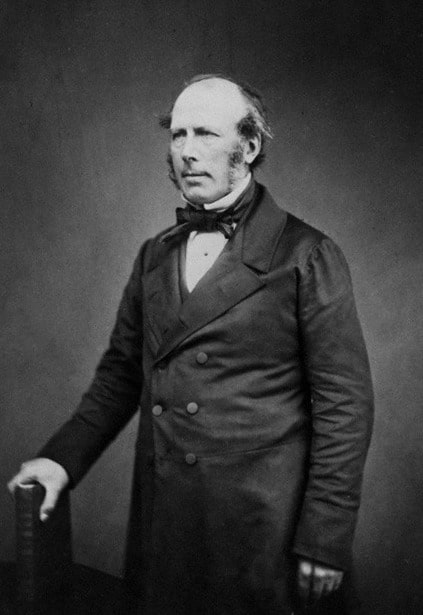
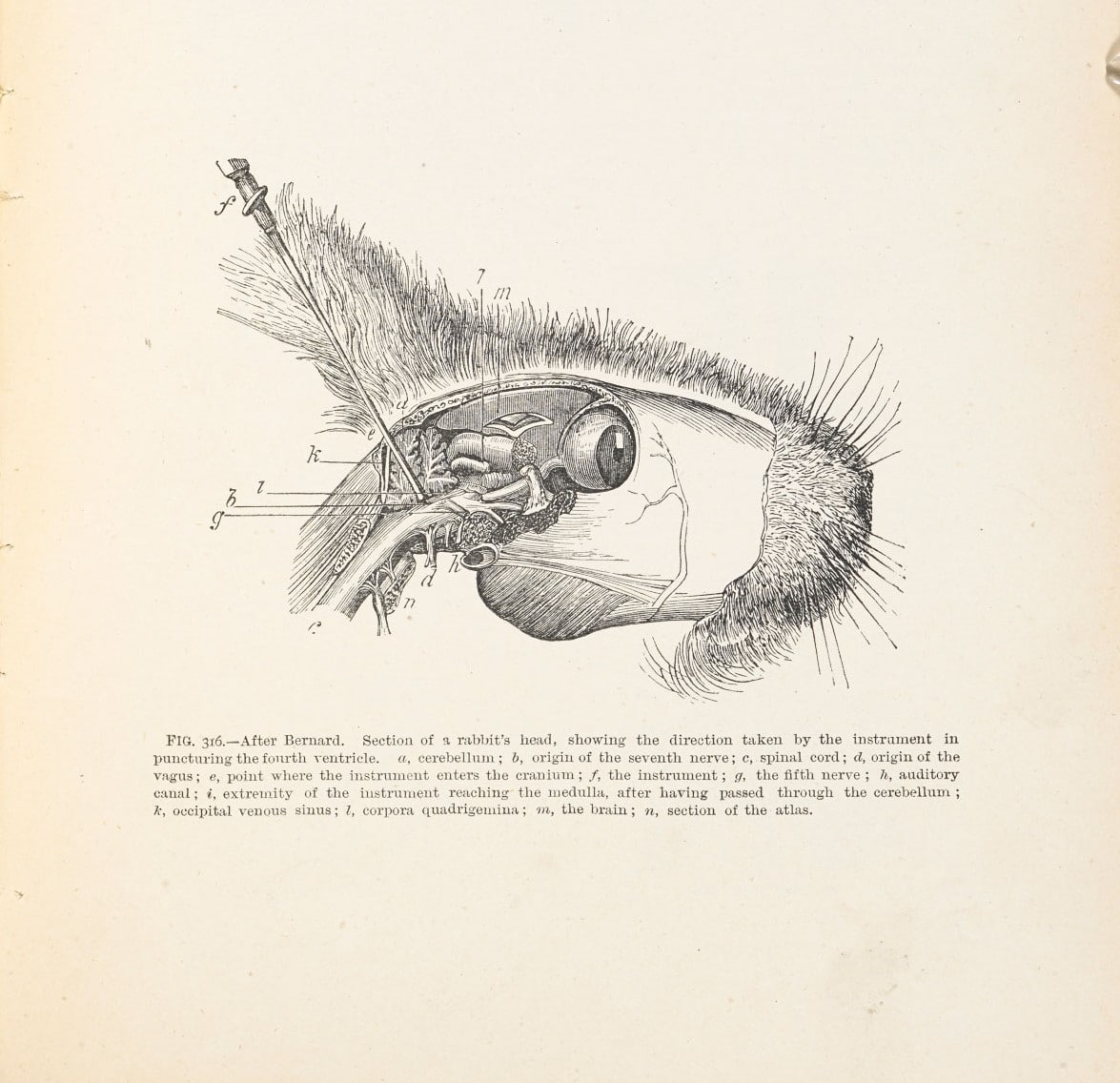
Royal Commission on the practice of subjecting live animals to experiments for scientific purposes
The Commission was established in response to two competing parliamentary bills. One bill was submitted by a friend of Francis Power Cobbe, a leading antivivisectionist. The other, introduced into the Commons by Lyon Playfair, contained substantial contributions from Charles Darwin, assisted by physiologist John Burdon Sanderson. The Commission’s evidence led to the 1876 Cruelty to Animals Act.
External resources: Francis Power Cobbe (Wikipedia) John Burdon Sanderson (Wikipedia)
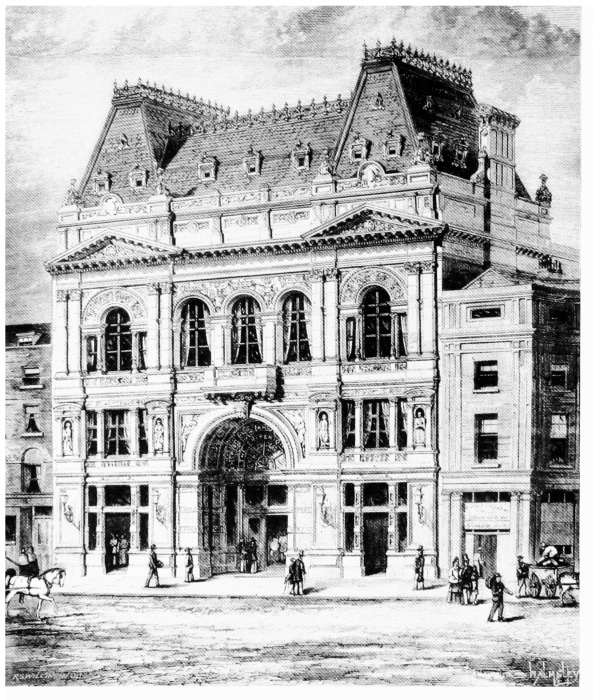
The Physiological Society founded
On 31 March nineteen men met at John Burdon Sanderson’s London home to discuss both the Royal Commission and a proposal to form ‘an association of physiologists for mutual benefit and protection’. The inaugural meeting of The Physiological Society was held a few weeks later at the Criterion Restaurant.
External resource: John Burdon Sanderson (Wikipedia)
The Journal of Physiology founded
The Journal of Physiology was founded by Michael Foster and acquired by The Physiological Society in 1926. A Cambridge physiologist, Foster was also one of The Society’s founders and chaired its inaugural meeting.
External resources: Michael Foster (Wikipedia)
The Journal of Physiology (Wiley)
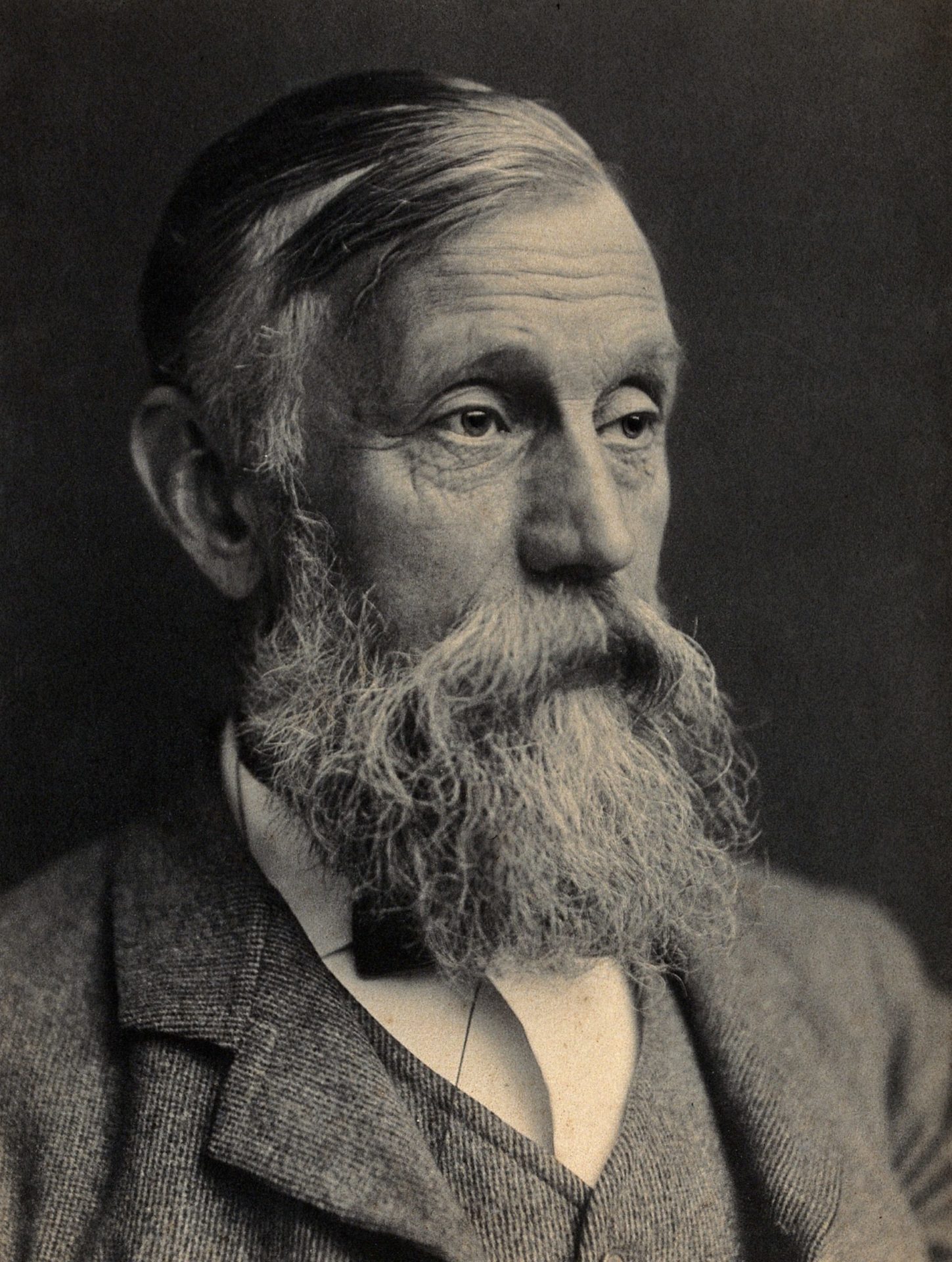
George Lewes Studentship established
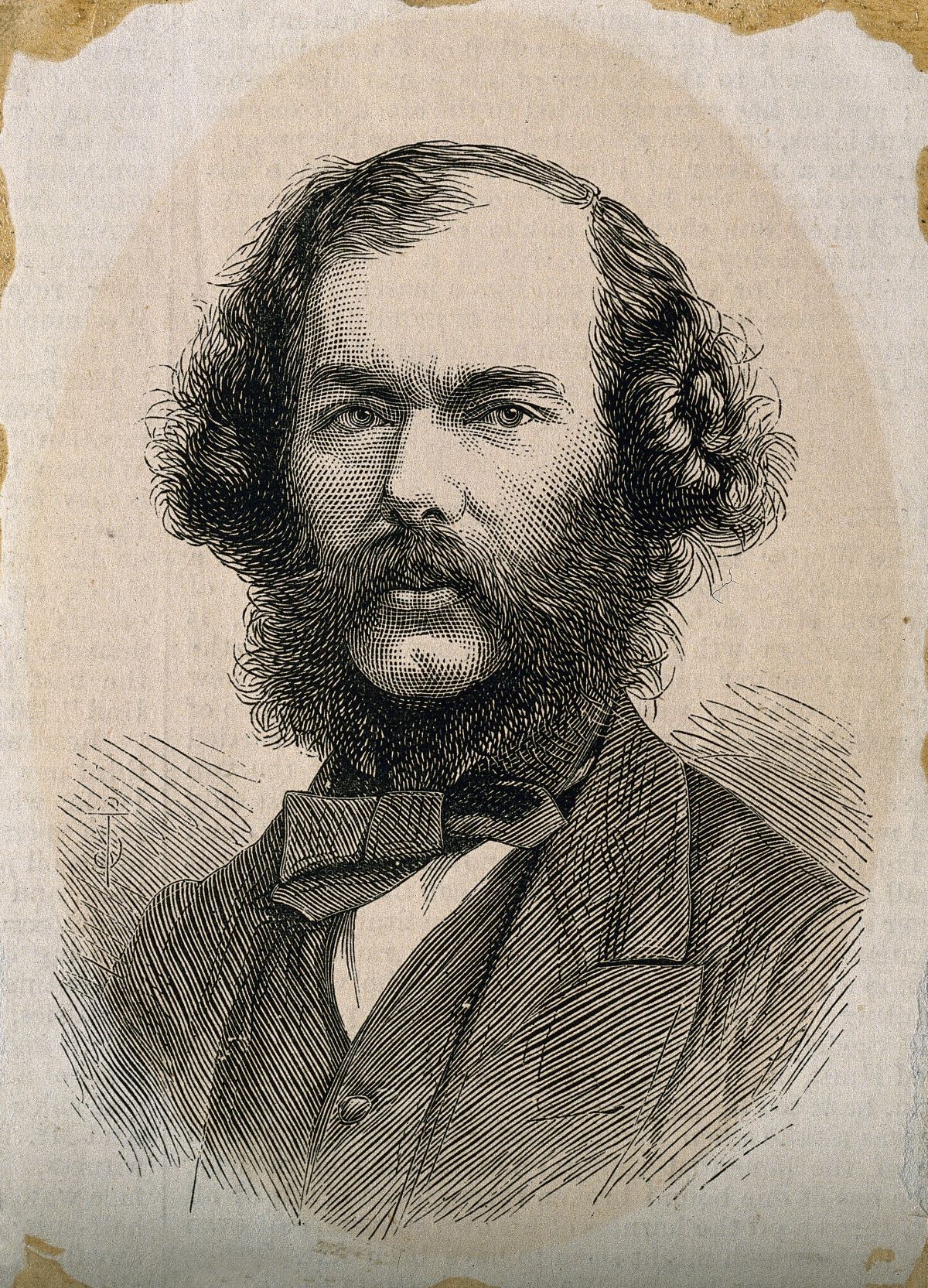
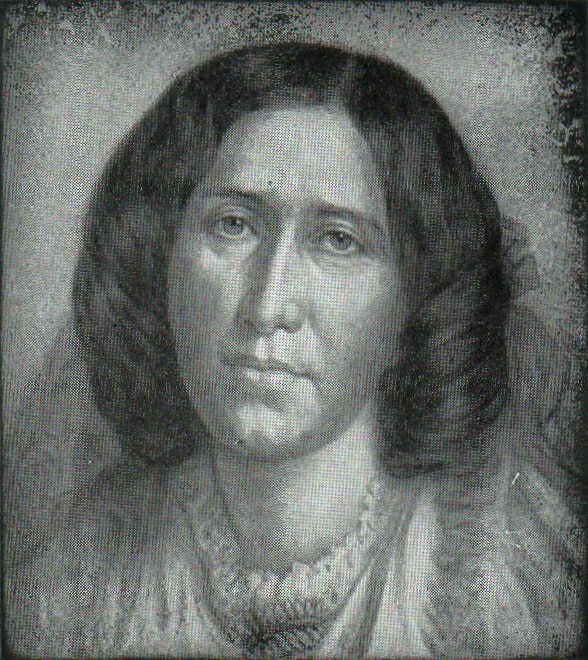
George Henry Lewes was co-founder of The Physiological Society and lived with the author, Mary Ann Evans (George Eliot). When he died in 1978, she funded this eponymous studentship. Three holders subsequently went on to win the Nobel Prize for Physiology or Medicine: A.V.Hill (1922), Charles Sherrington (1932) and Henry Dale (1936).
External resource: George Henry Lewes (Wikipedia)
David Ferrier prosecuted
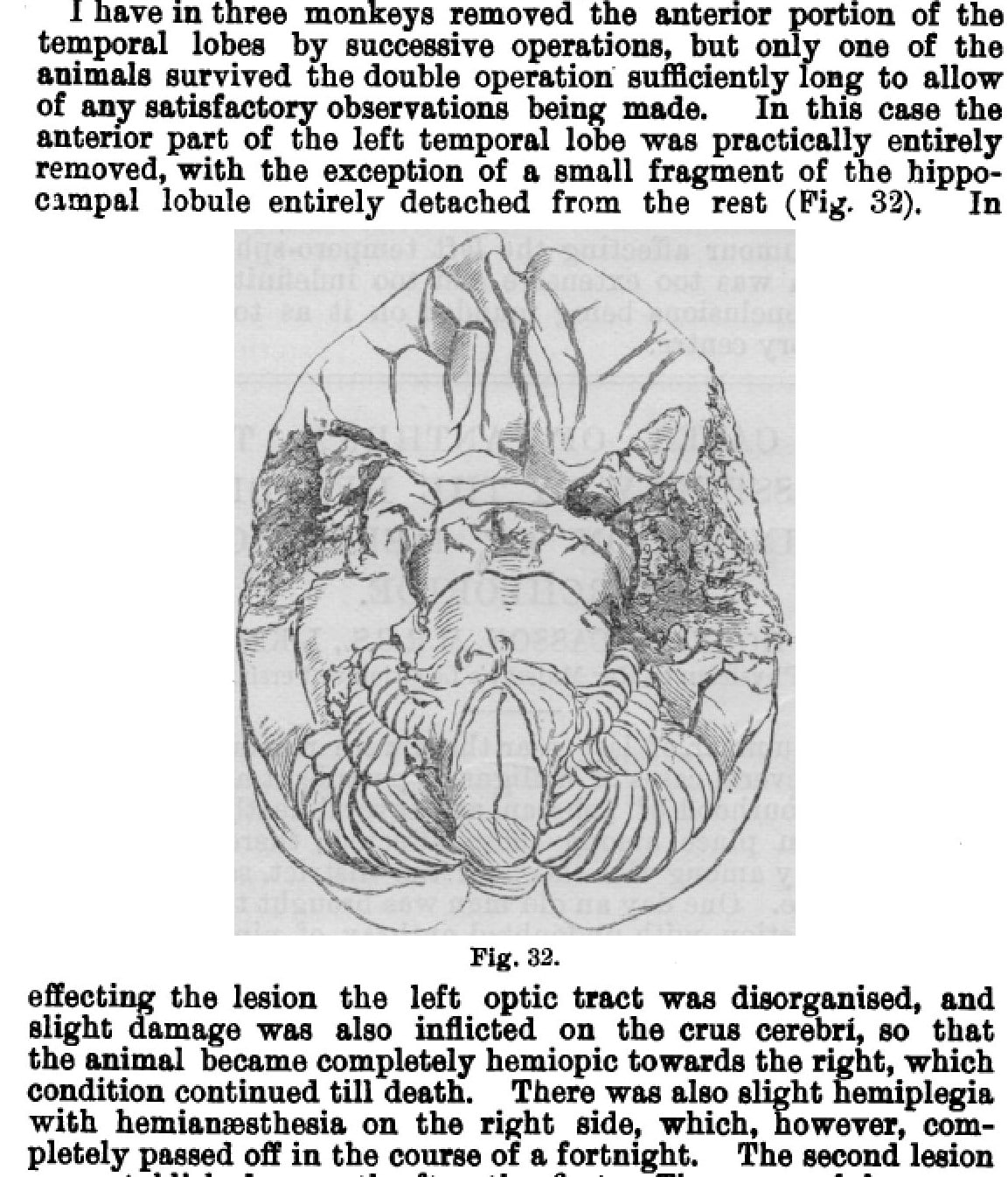
David Ferrier, founding Member of The Physiological Society, demonstrated his theories of brain function on a monkey at the 1881 International Medical Congress in London. Antivivisectionists subsequently instigated his prosecution under the Cruelty to Animals Act for operating on an animal without a licence. This failed as it was another, licensed, founding Member — Gerald Yeo — who actually perfomed the experiment. In 1890, Ferrier was invited by the Royal Society and the Royal College of Physicians to give the prestigious Croonian Lectures on ‘Cerebral Localisation’.
External resource: Professor Ferrier Charged (BMJ)
David Ferrier (Wikipedia)

American Physiological Society founded
The Physiological Society has longstanding cordial relations with its younger cousin, the APS. High points have included the 1929 International Union of Physiological Sciences conference in Boston and the 2013 launch of the joint publication Physiological Reports.
External resources: APS website
Physiological Reports (Wiley)
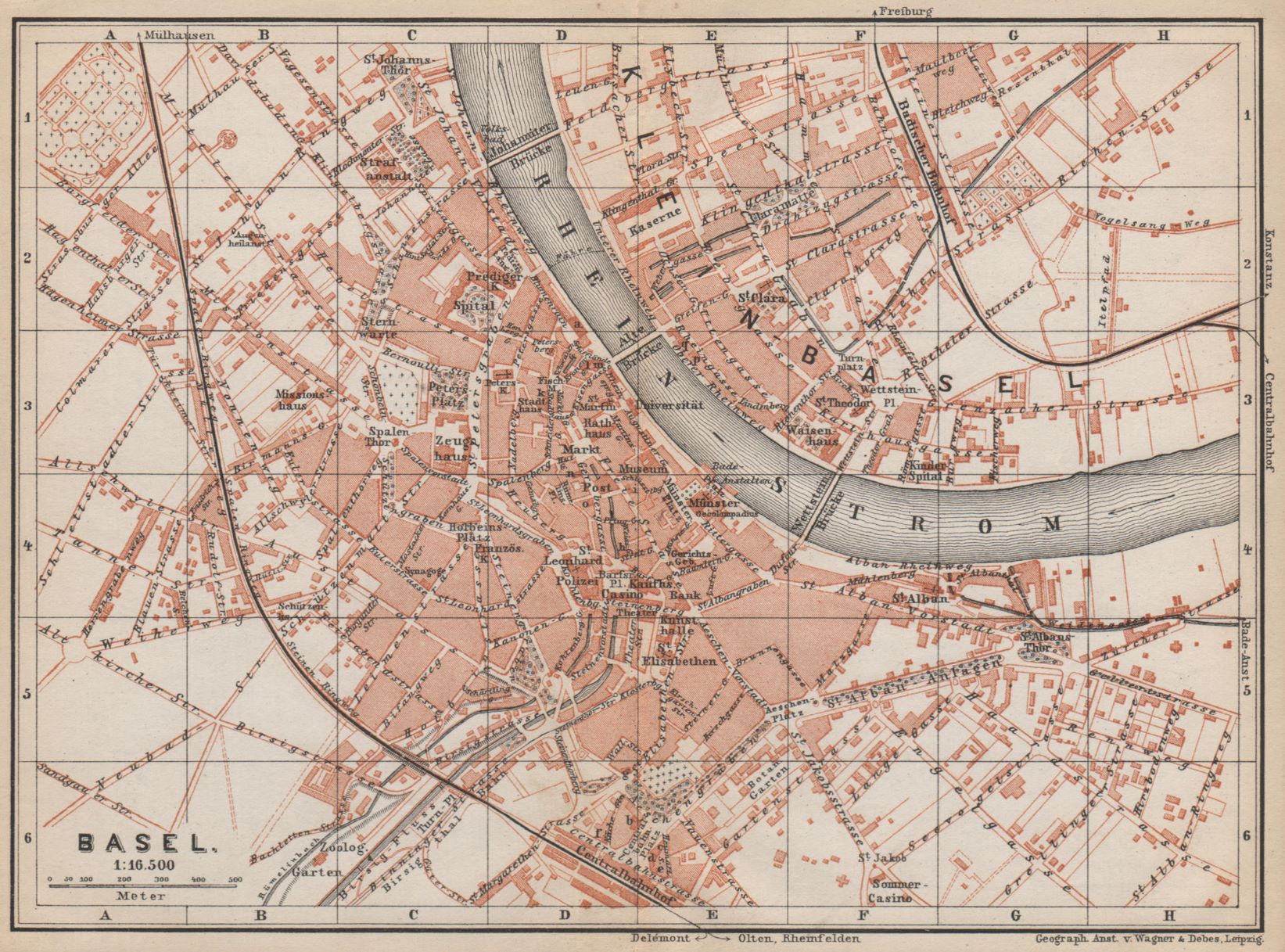
First International Congress of Physiological Sciences
Held in Basel, Switzerland, the Congress was initiated by The Physiological Society, who invited 109 physiologists to attend. Society co-founder Michael Foster was later said to have been responsible ‘more than any other person’. At the first scientific session on September 10, Foster, ‘….being especially desirous that the meetings should be of an informal character, seated himself on a front bench or chair and rather ostentatiously smoked his pipe…’
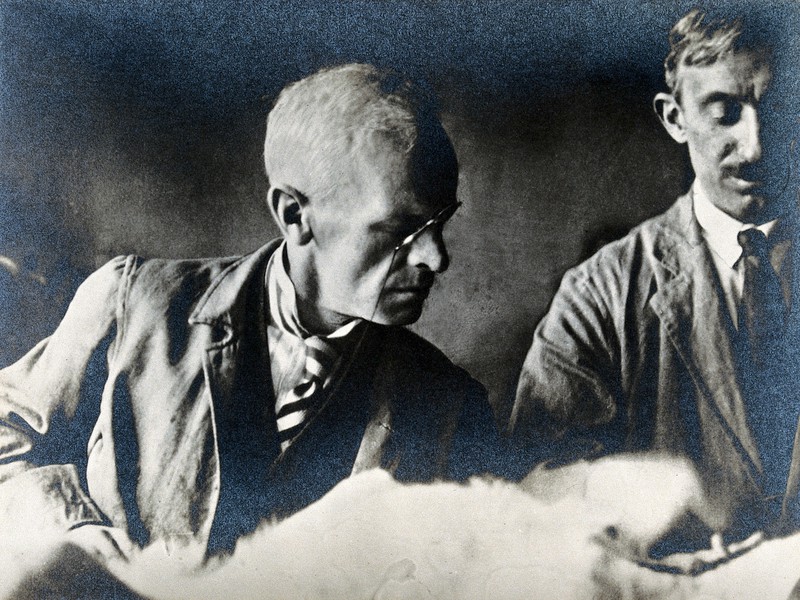
Ernest Starling appointed Society Secretary
Ernest Starling is a major figure in the history of physiology who served as a Secretary of the Society until 1900. Early in his career, he established ‘Starling’s Principle’ which concerns fluid transit across capillary walls. As Professor of Physiology at University College London (1899-1923), he and William Bayliss first described gut peristalsis and then discovered the hormone secretin. Between 1915-19, he and Otto Frank developed the ‘Frank-Starling law of the Heart’ which maintains that the force of the muscular contraction of the heart is directly proportional to the extent to which the muscle is stretched.
External resource: Ernest Starling (Wikipedia)
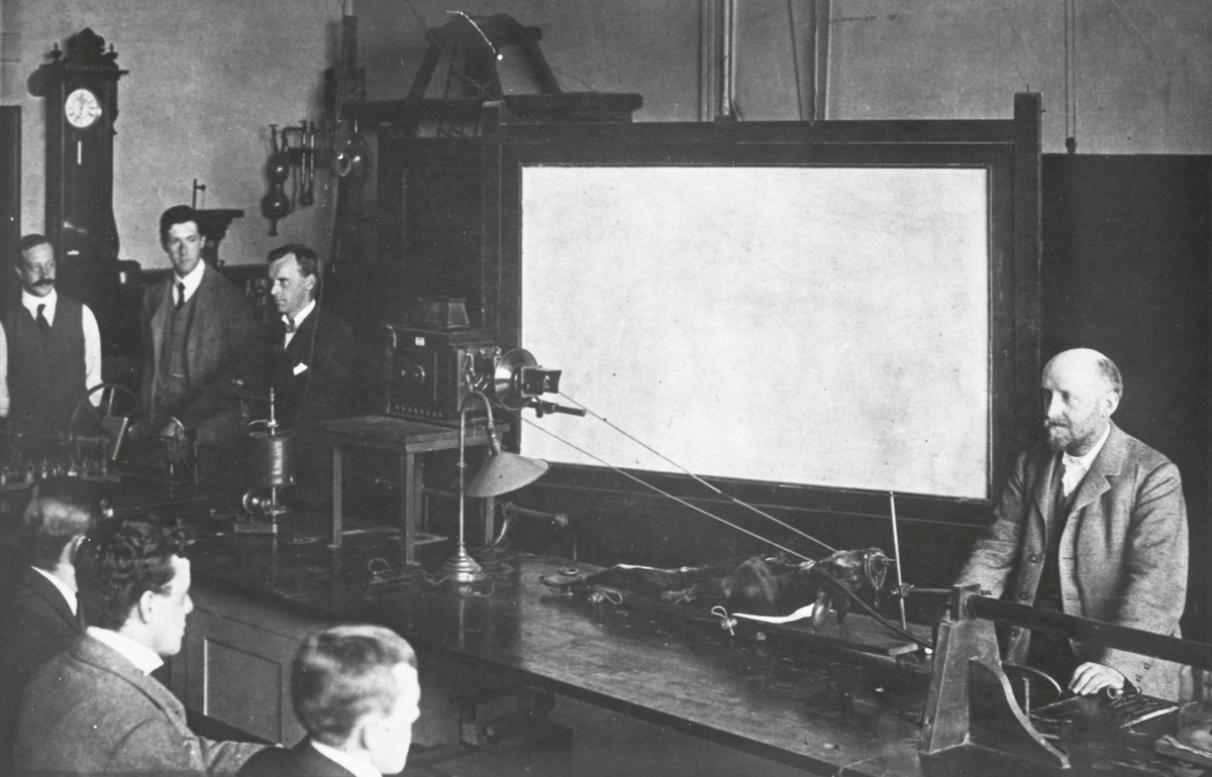
The ‘Brown Dog affair’ (1903-10)
In May 1903, Stephen Coleridge, secretary of the National Anti-Vivisectionist Society, alleged physiologist William Bayliss had effectively tortured an anaesthetized dog during a public demonstration. Bayliss, a secretary of The Physiological Society, successfully sued for libel. A statue of the dog, subsequently funded by anti-vivisectionists and erected in a Battersea park, repeatedly inspired riots by medical and veterinary students and was eventually removed in 1910.
External resource: Brown Dog affair (Wikipedia)
‘The Integrative Action of the Nervous System’ published
Based on a series of Yale lectures, Charles Sherrington’s monograph is said to have ‘a fair claim as the most important physiological monograph of [the 20th] century’, having ‘changed forever the way in which subsequent generations have viewed the organization of the central nervous system’. Professor at the Universities of London (1891–95), Liverpool (1895–1913), and Oxford (1913–35), he was elected Member of The Physiological Society in 1895. Sherrington was subsequently Secretary, Honorary Member and also Chairman of the Editorial Board of The Journal of Physiology.
External resource: Charles Sherrington (Wikipedia)
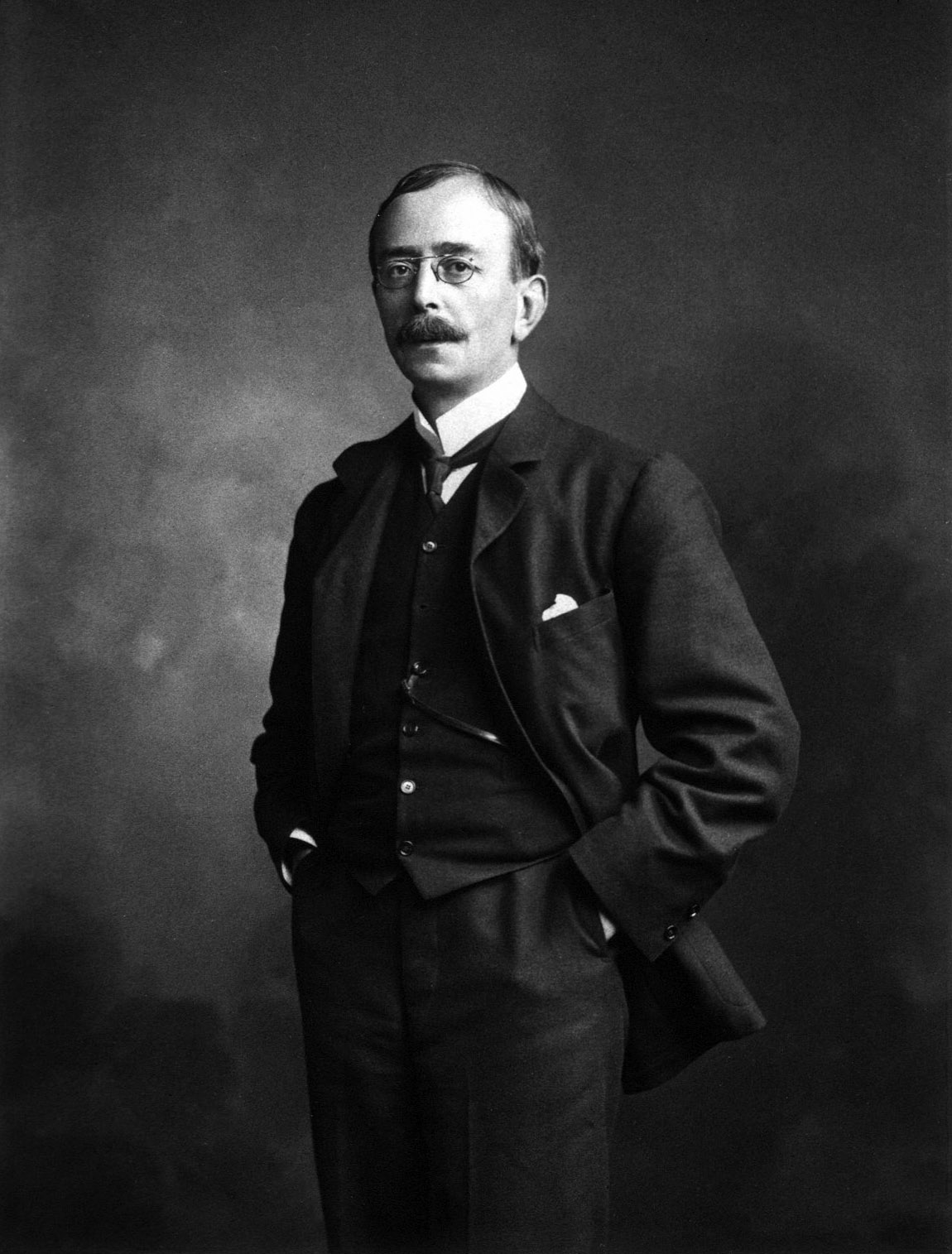
Quarterly Journal of Experimental Physiology founded
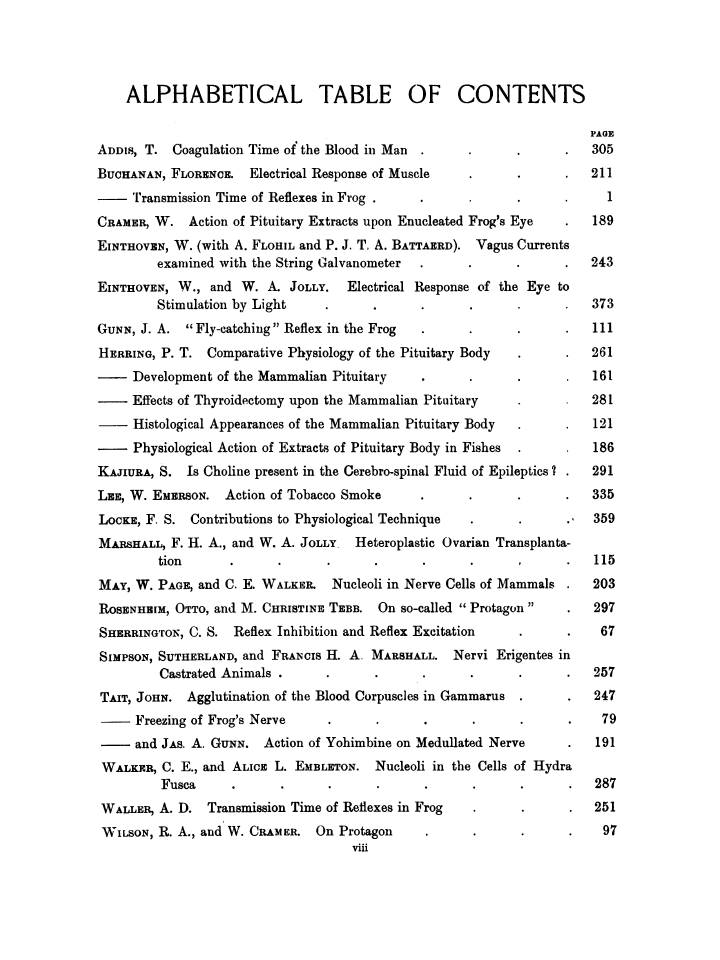
The Journal was founded and edited by Edward Sharpey-Schafer. The very first paper, by Florence Buchanan, was 66 pages long. The Journal continues today as Experimental Physiology, published since 1981 by The Physiological Society.
External resource: Experimental Physiology (Wiley)
Pike’s Peak expedition
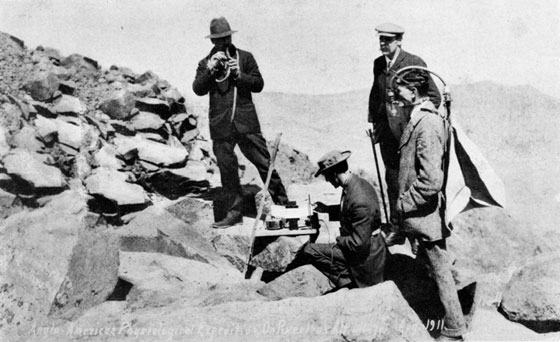
In 1911, Oxford physiologist Claude Douglas joined the famous Pike’s Peak expedition, near Colorado Springs, to study the effects of high altitude. He used his impermeable ‘Douglas bag’ at 4300m to collect samples of expired breath for analysis. Towards the end of Douglas’s career, Roger Bannister joined his department as a junior researcher. One of their Journal of Physiology papers, on severe exercise, was published 1954 — the year Bannister ran the first ever mile in under four minutes. Douglas became a Member of The Physiological Society in 1906 and was elected Honorary Member in 1958.
External resources: Centenary of the Anglo‐American high‐altitude expedition to Pikes Peak (Experimental Physiology)
The Carbon Dioxide Stimulus To Breathing In Severe Exercise (The Journal of Physiology)
Rowett Institute opens in Aberdeen
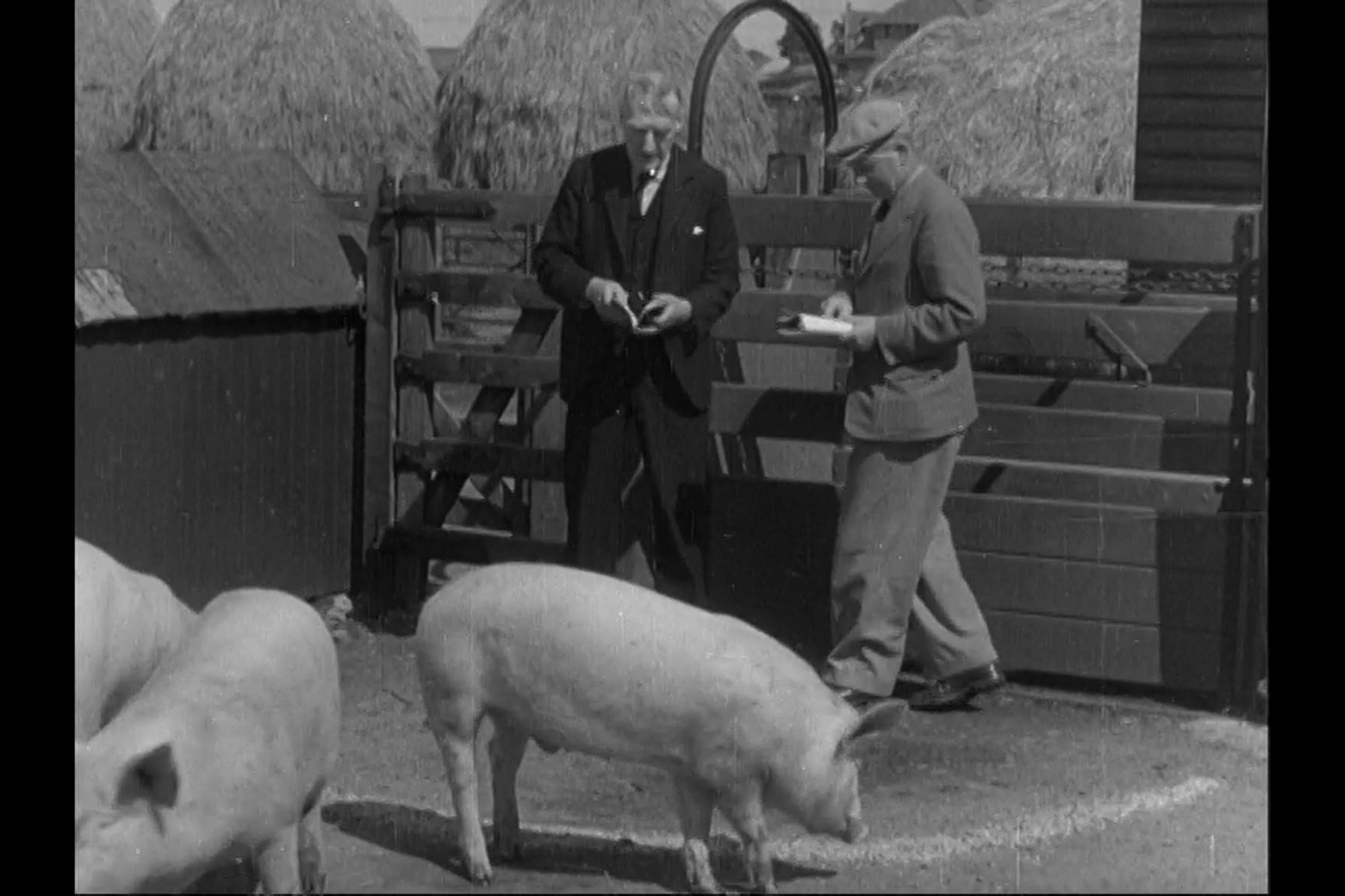
The Rowett Institute, now part of Aberdeen University, was established as a nutritional research centre under John Boyd Orr, clinician and physiologist. Research at the Institute subsequently informed government policies on school milk and rationing. Boyd Orr was elected Member of The Society in 1918. In 1949 he received the Nobel Peace Prize for his research and his work as the first Director-General of the United Nations Food and Agriculture Organization.
External resources: The Rowett Institute (University of Aberdeen)
John Boyd Orr (Wikipedia)
Physiologists in World War One
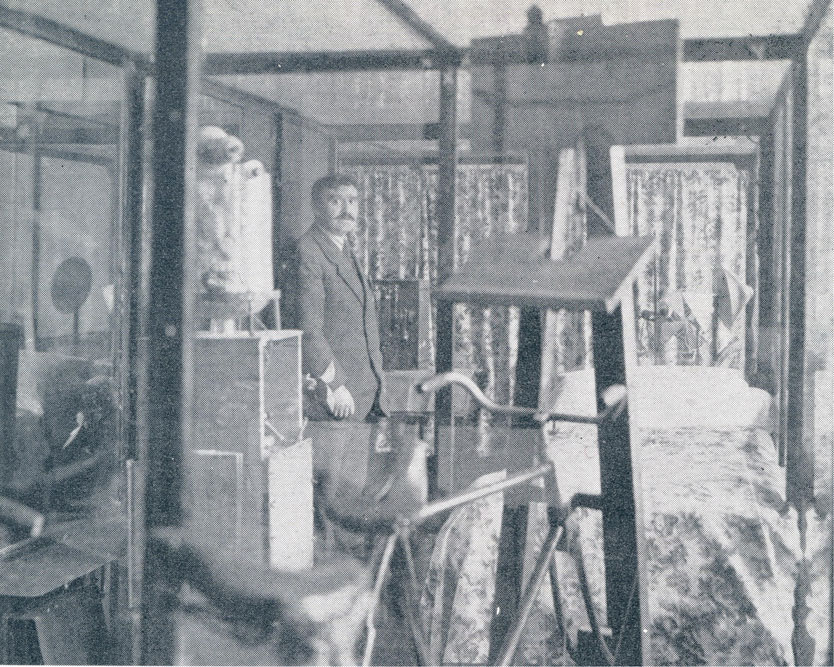
Members of The Physiological Society who made major contributions to UK wartime research included Joseph Barcroft (Secretary, 1909-22). Barcroft led experiments into poison gas at the Royal Engineers Experimental Station, Porton Down, following its enemy use in 1915. In one of these, he shared a glass chamber filled with hydrogen cyanide gas with a large dog. The dog nearly died but both subjects recovered shortly afterwards.
External resource: Sir Joseph Barcroft: one Victorian physiologist’s contributions to a half century of discovery (The Journal of Physiology)
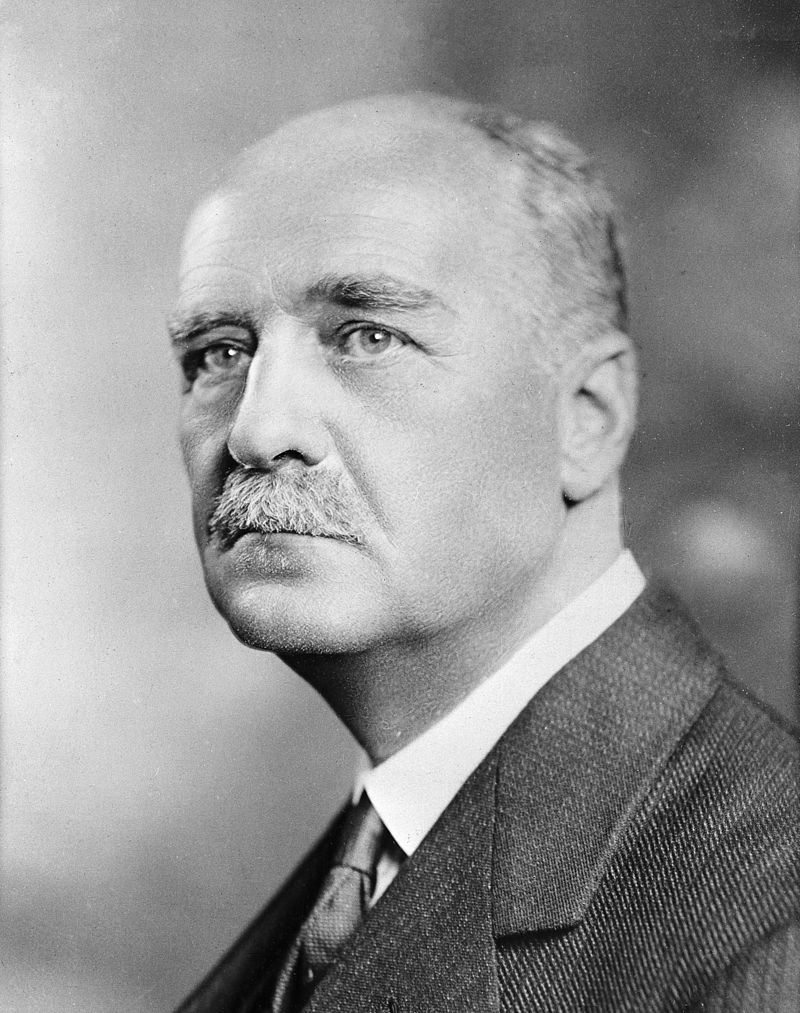
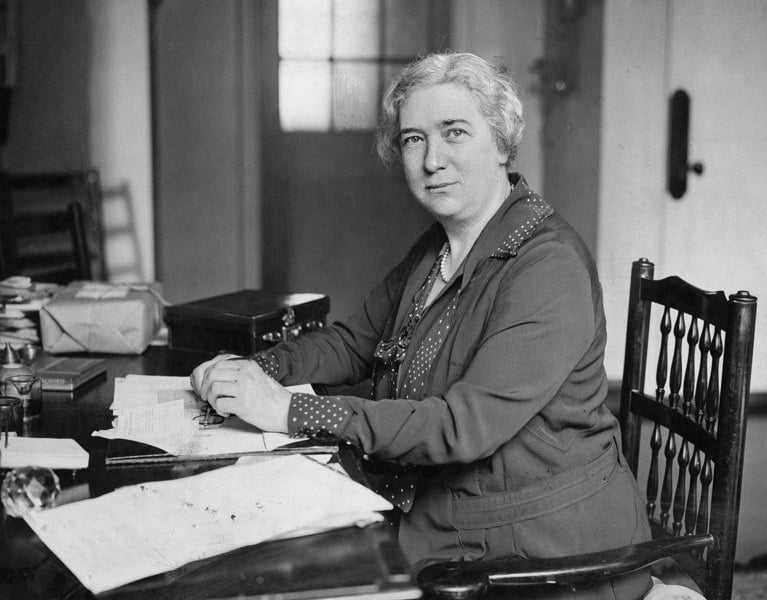
Society elects first women
Though the founding rules of The Physiological Society did not preclude it, the first six women members of The Physiological Society were not elected until 1915. They included Winifred Cullis, who later became the first woman to hold a professorial chair in a British medical school and Head of the Department of Physiology at the School of Medicine for Women.
External resource: Winifred Cullis (Wikipedia)
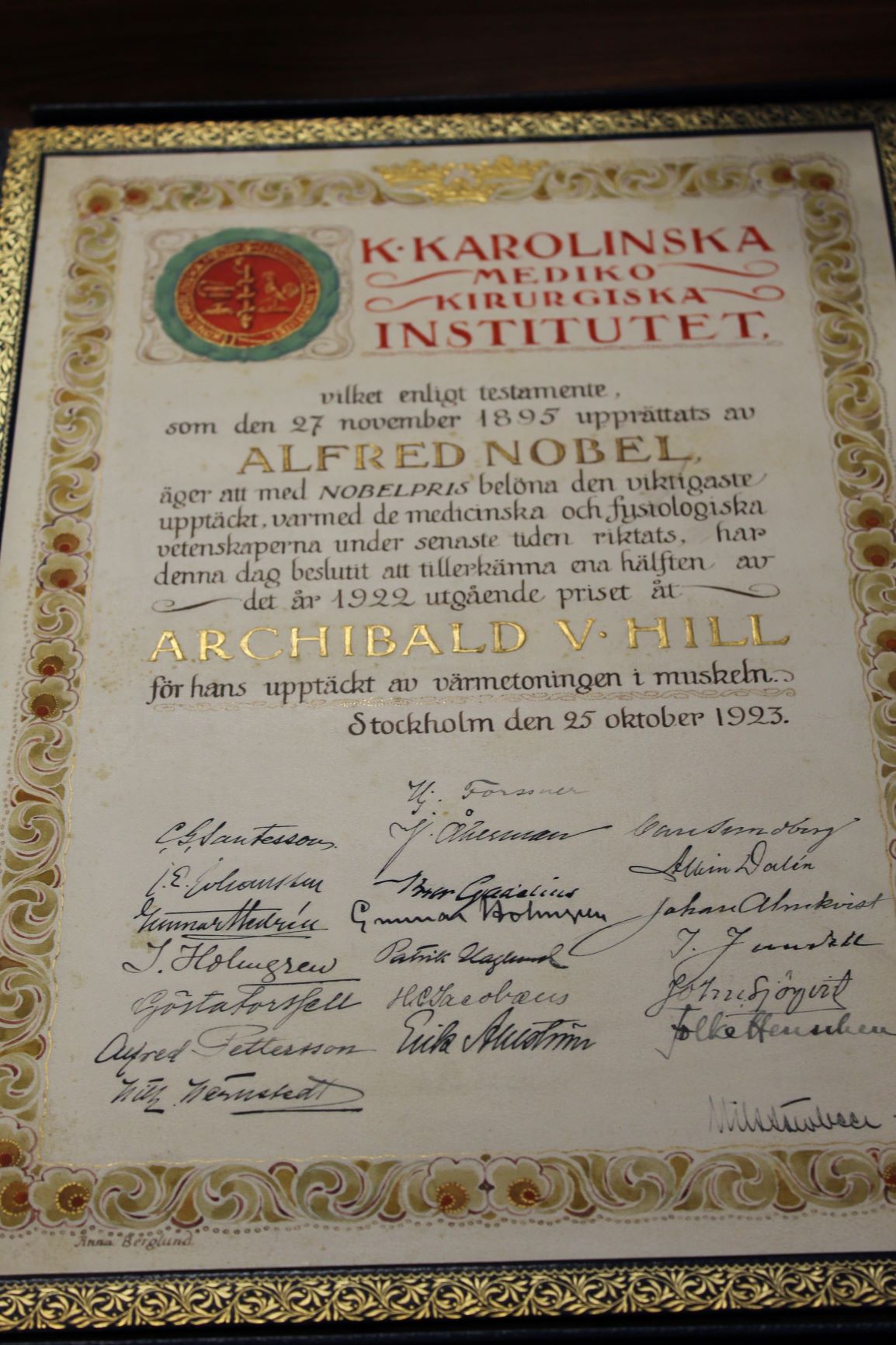
Nobel Prize awarded to Archibald Hill
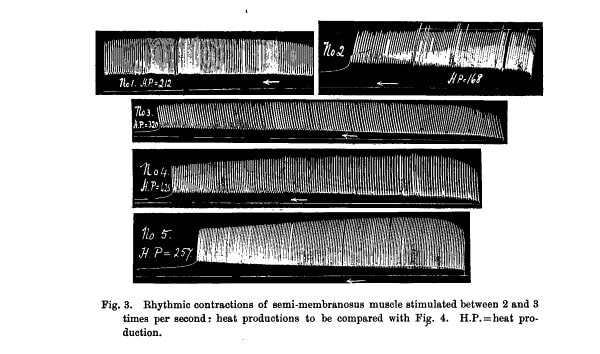
Archibald V. Hill was elected Member of The Physiological Society in 1912. He started his research career in Cambridge, with subsequent professorial appointments in Manchester and University College London. He was awarded the Nobel Prize in Physiology or Medicine with Otto Meyerhof for ‘his discovery relating to the production of heat in the muscle’. His work led to the development of physiological biophysics as a major research discipline.
External resources:
Archibald V. Hill (The Nobel Prize)
The heat produced in contracture and muscular tone. A.V. Hill. (The Journal of Physiology)
Archibald Hill (Wikipedia)
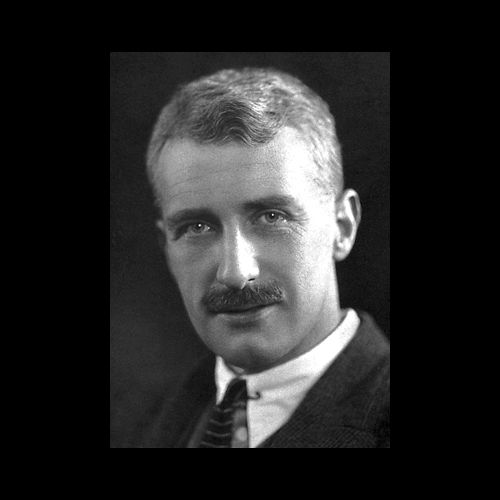
Society holds first meeting outside Great Britain
The first day of the meeting in Leiden, Holland, comprised three scientific sessions and then a banquet hosted by Willem Einthoven. Professor at Leiden University, Einthoven had won a Nobel Prize in 1924 for his work on the electrocardiogram. Signatures were collected from all 85 diners and the list reproduced in the Society’s official history.
External resource: Willem Einthoven (Wikipedia)

History of The Society published
To mark its fiftieth anniversary in 1926, The Physiological Society commissioned founder Member Edward Sharpey-Schafer to write a two-part historical account. Originally Schafer, he had changed his family name in 1918 in honour of his teacher, William Sharpey.
External resources: Edward Albert Sharpey-Schafer (Wikipedia)
History of The Physiological Society during its First Fifty Years, 1876-1926
Adrian and Sherrington win Nobel Prize
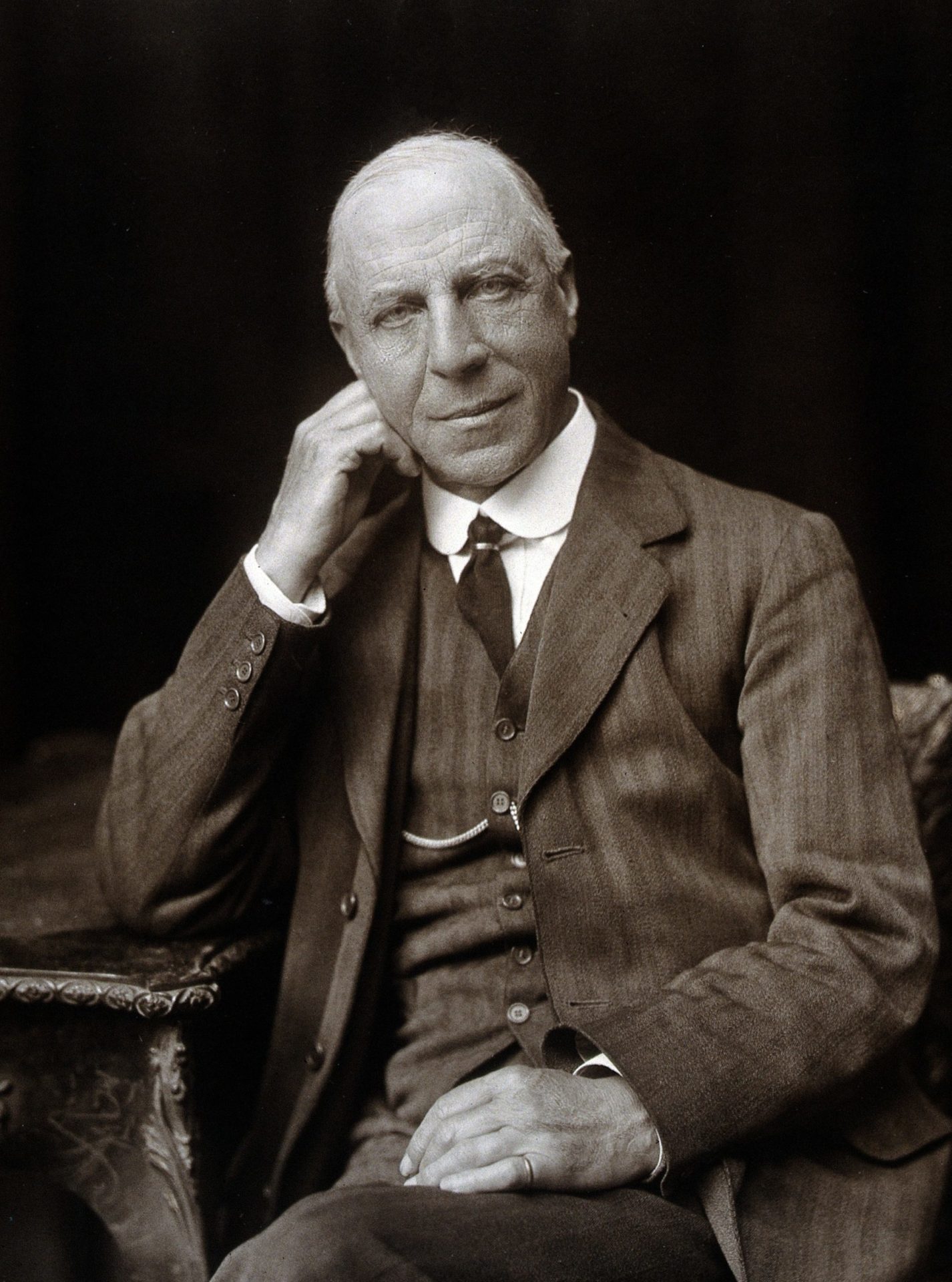
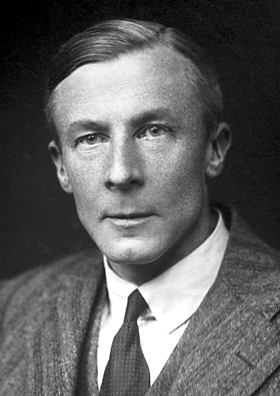
Cambridge physiologist Edgar Adrian built on Sherrington’s earlier observations to discover the ‘all-or-nothing’ nature of nerve conduction. He showed that the strength of a stimulus applied to a receptor is reflected not in the size of the resulting electrical nerve impulse, which remains the same, but in the number of nerve impulses per second. He took senior roles in many areas of public life and was created ‘Baron Adrian, of Cambridge in the County of Cambridge’ in 1955. In 1964, The Society held an international meeting in Cambridge in his honour and paid the attendance costs of twenty ‘young physiologists’, selected by ballot from those nominated by senior Members.
External resource: Edgar Adrian (Wikipedia)
A V Hill elected first Foreign Secretary
The election of a Foreign Secretary was one of several events that enhanced The Society’s longstanding international links before World War Two. The Society also gave financial aid to the Academic Assistance Council, established in 1933 to assist European scholars displaced by the Nazis, and assisted foreign physiologists resident in Great Britain. In 1939, a Foreign Associate Membership category was established. These measures facilitated the Membership of eminent physiologists like Hermann Blaschko, Edith Bülbring, WIlhelm Feldberg and Bernard Katz. All four of these eventually became Honorary Members and Katz won a Nobel Prize.
External resource: Archibald Hill (Wikipedia)
Henry Dale and Otto Loewi win Nobel Prize
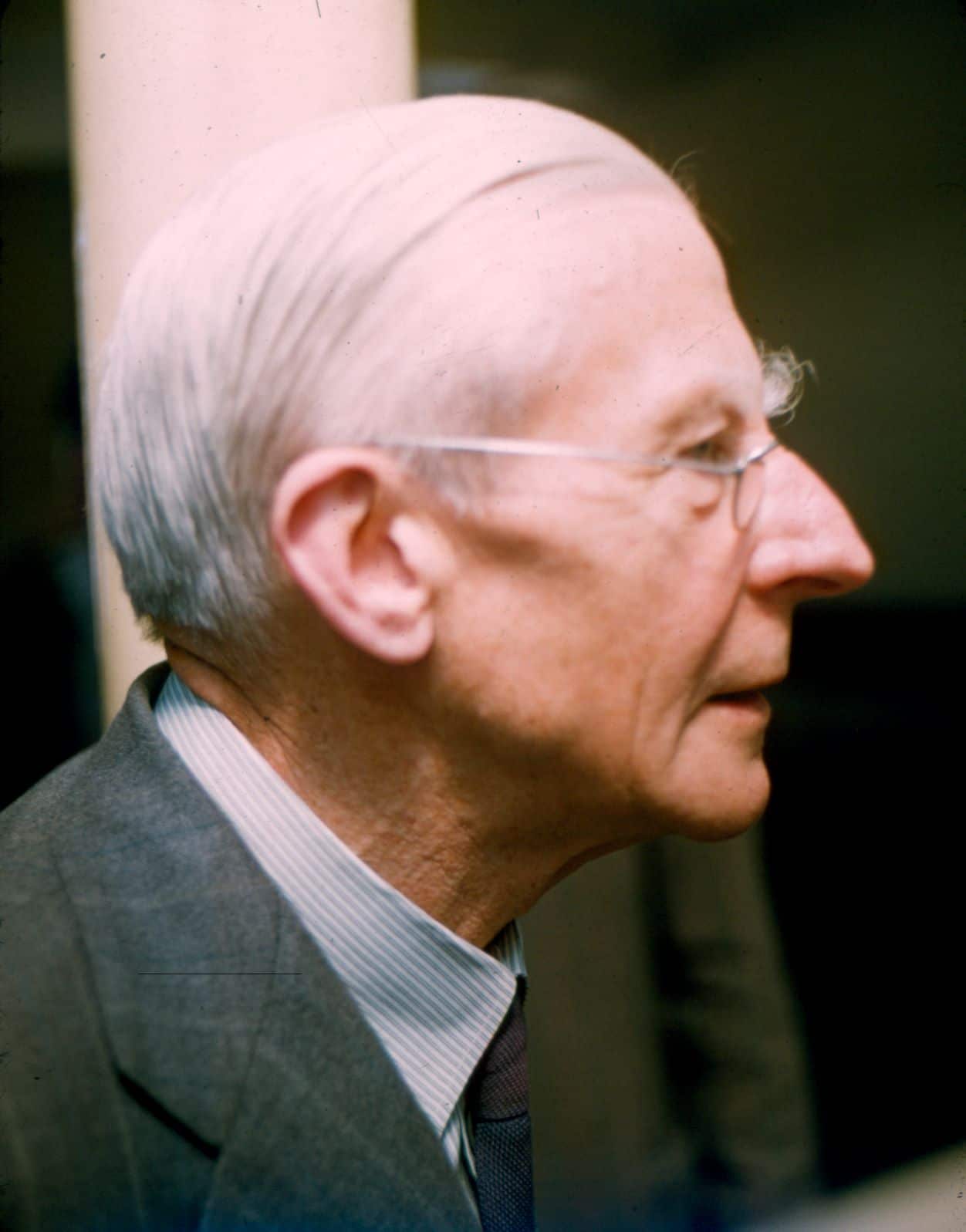
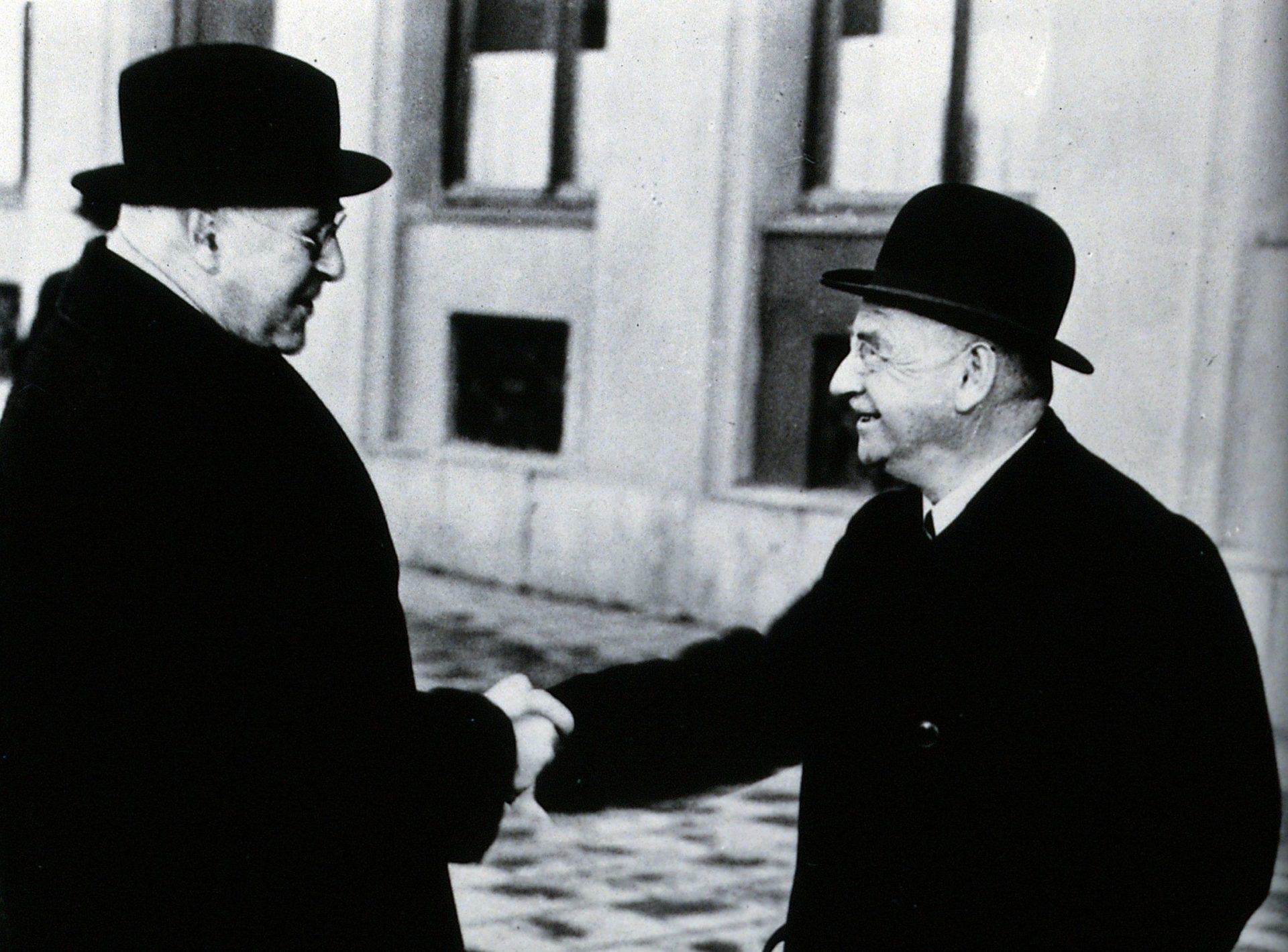
Dale identified acetylcholine as a potential chemical neurotransmitter in 1914 and Loewi demonstrated its effects experimentally in 1921. Together their prizewinning work established the chemical — rather than electrical — nature of most signals between nerves. The two men were good friends, having met in Ernest Starling’s London laboratory some years before. They were elected Honorary Members of the Society in 1934 and 1951, respectively.
External resources: The Nobel Prize in Physiology or Medicine 1936
Colleague Wilhelm Feldberg speaks after Dale’s 80th birthday dinner.
Physiologists in World War Two
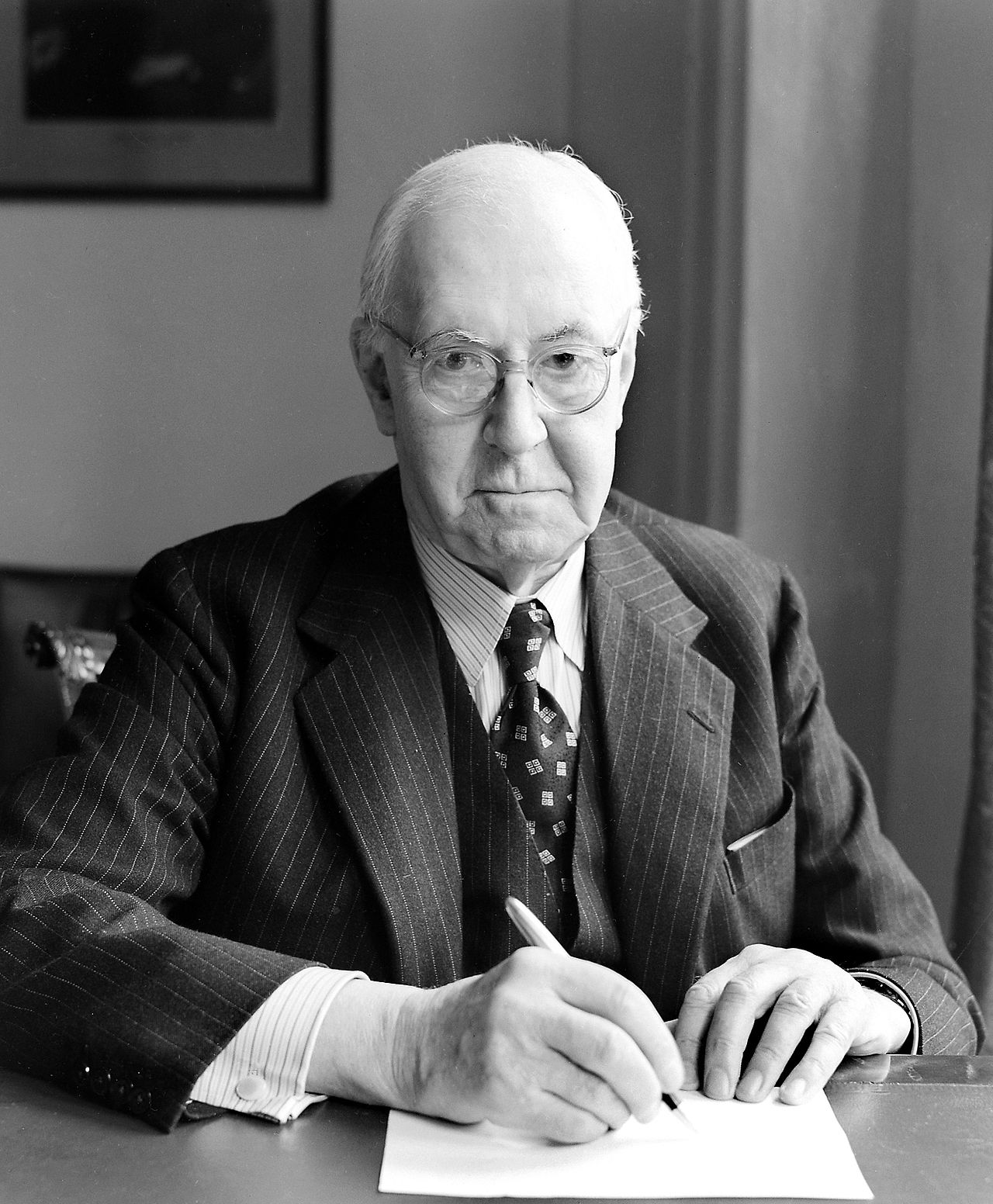
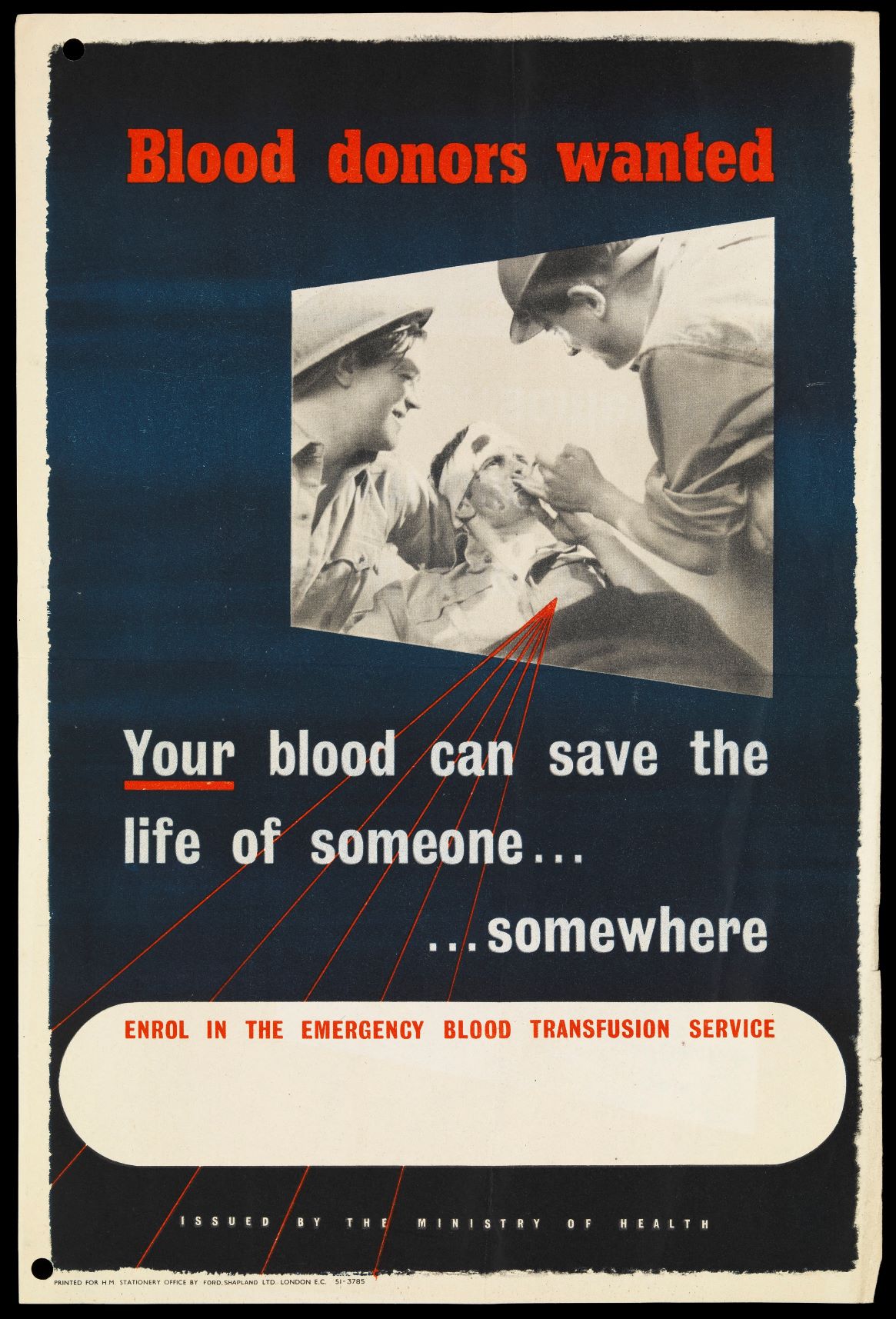
Many Members of The Physiological Society enlisted and conducted research connected to the war effort. Gladwin Buttle, who had worked in the Wellcome Physiological Laboratories, joined the Royal Army Medical Corps where he advised on blood transfusion. In doing so, he is said to have ‘transformed the surgery of the battlefield from El Alamein onwards’, receiving an OBE (military division) in 1942. Hear late Member, Jim Pascoe, talk about Gladwin Buttle and his ‘pint of beer for a pint of blood’ here.
External resources: Gladwin Albert Hurst Buttle (Royal College of Physicians)
Buttle and Blood Audio Clip
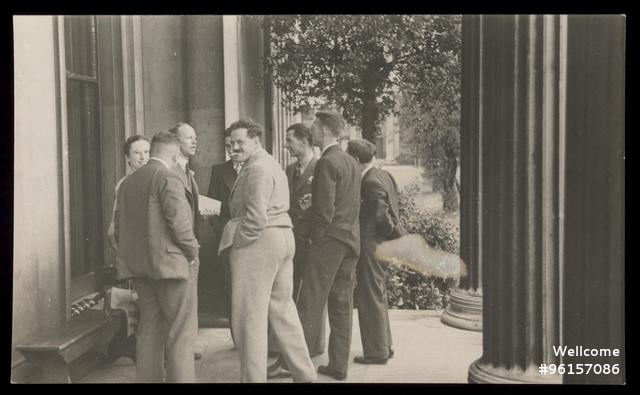
Society acquires mascot
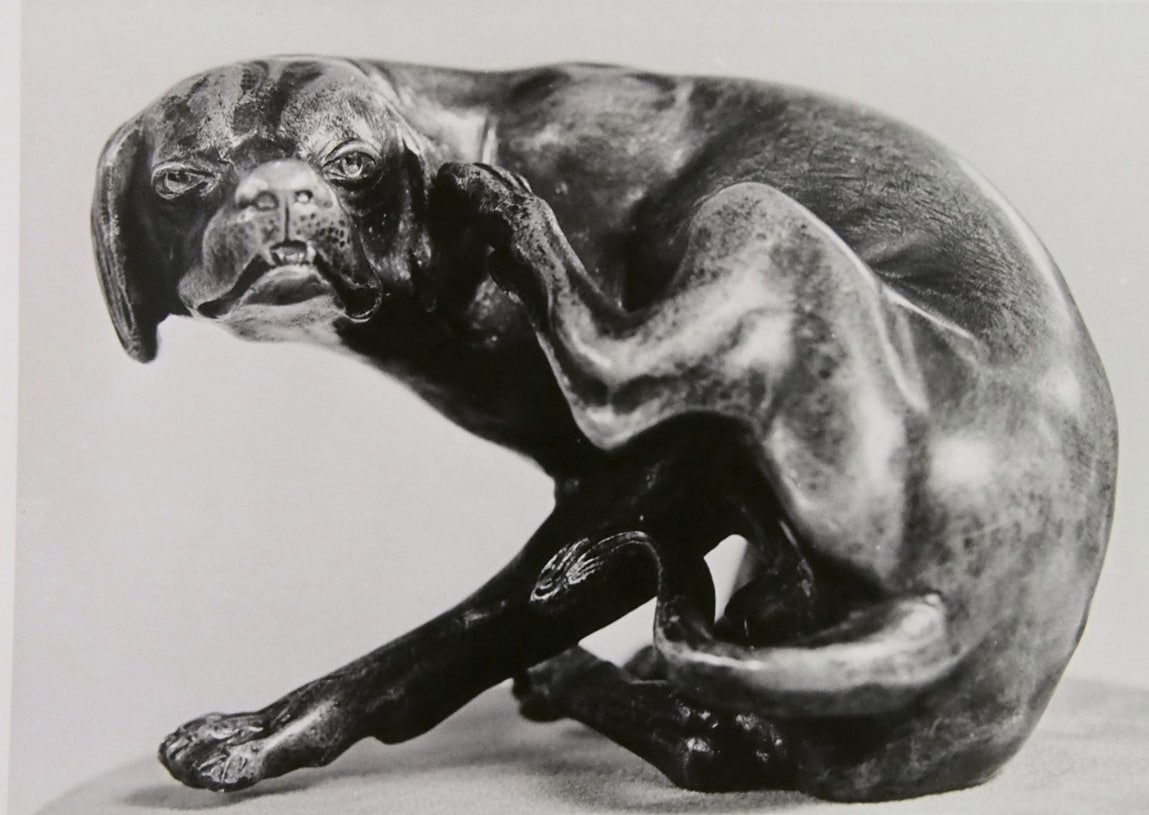
The bronze statuette of a dog in mid-scratch was presented to The Society by Sir Henry Dale, who had himself been given it by Sir Charles Sherrington. Sherrington had studied the canine scratch reflex extensively. The mascot appeared on the table at Society dinners until it was stolen in 1994. Today, a replica is presented to retiring Presidents of The Society.
Goodenough Report published
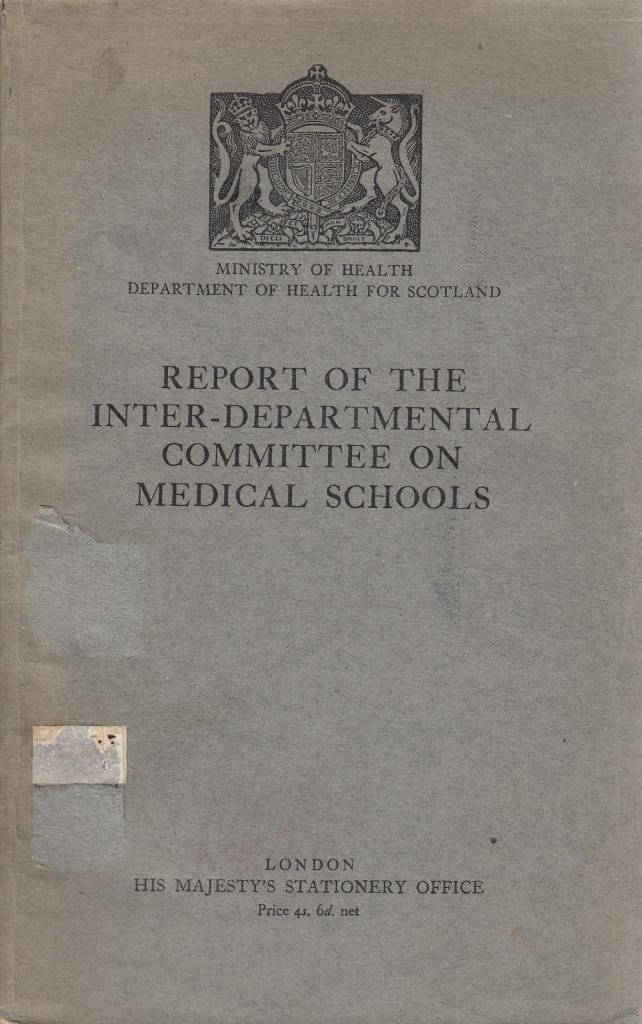
Physiology is a core subject in the undergraduate curriculum. From its foundation The Society has been closely involved with medical education. In 1942 The Society submitted a memorandum to the Goodenough Committee, who were considering all aspects of medical training in preparation for the National Health Service. Published by the Ministry of Health in 1944, the Committee’s report was signed by A V Hill, among others. It covered everything from the equality of the sexes to the size and distribution of medical schools.
External resource: Training of Doctors: the Goodenough Committee’s Report (British Medical Journal)
National Institute for Medical Research moves to Mill Hill
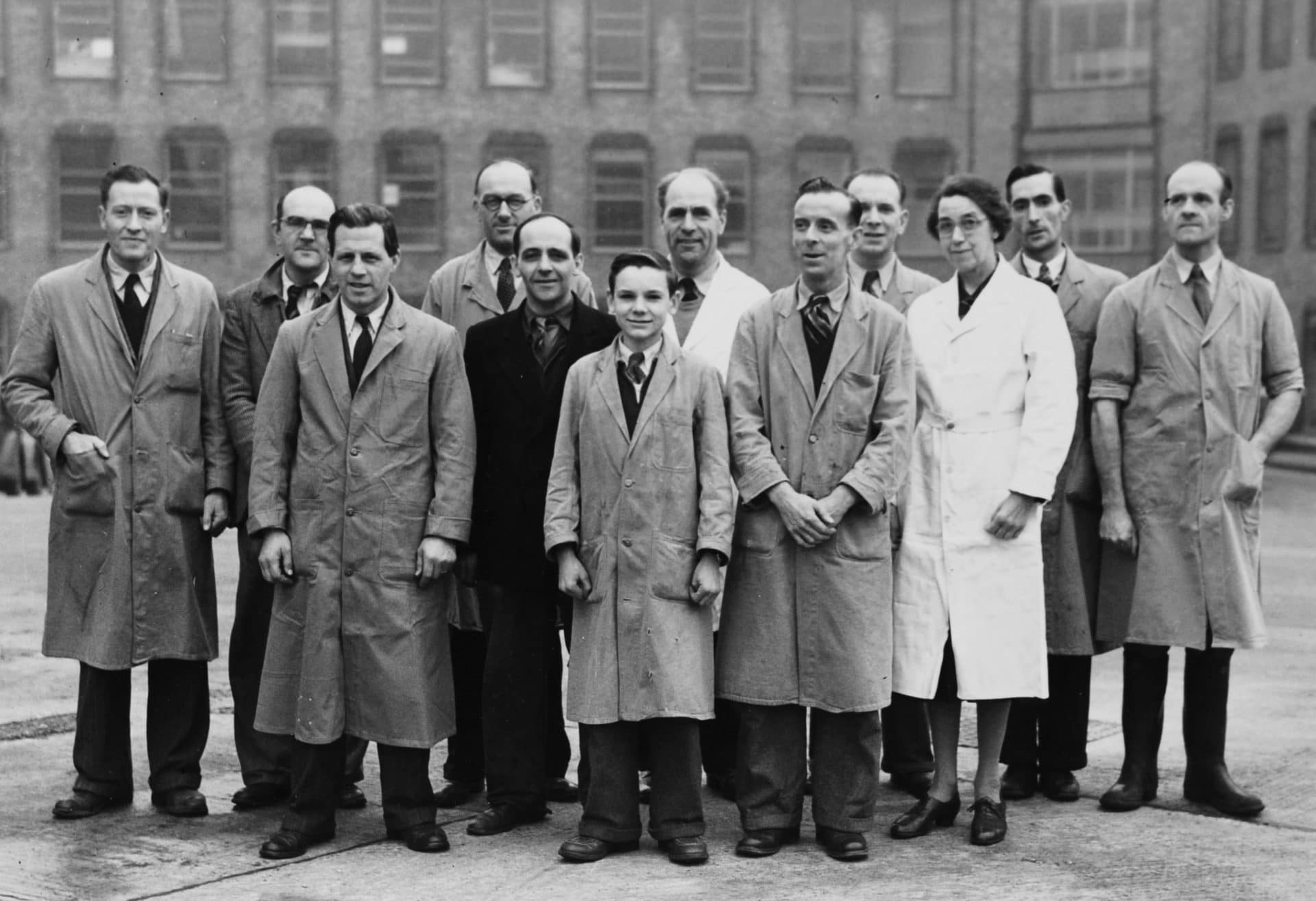
Physiological Society Members have had close links with the Medical Research Council (MRC), and their National Institute for Medical Research (NIMR), for more than a century. Founded in 1913, the Institute was based for many years at Mount Vernon Hospital under director Henry Dale, a Society Member. Dale was succeeded by Charles Harington (1942-62) and Peter Medawar (1962-71) — both became Honorary Members of The Society. Many other eminent physiologists worked at Mill Hill. Hear Gerta Vrbova talk about her experience there in the 1960s, preparing for her first presentation at a Physiological Society meeting.
Gerta Vrbova on preparing her first talk for The Society.
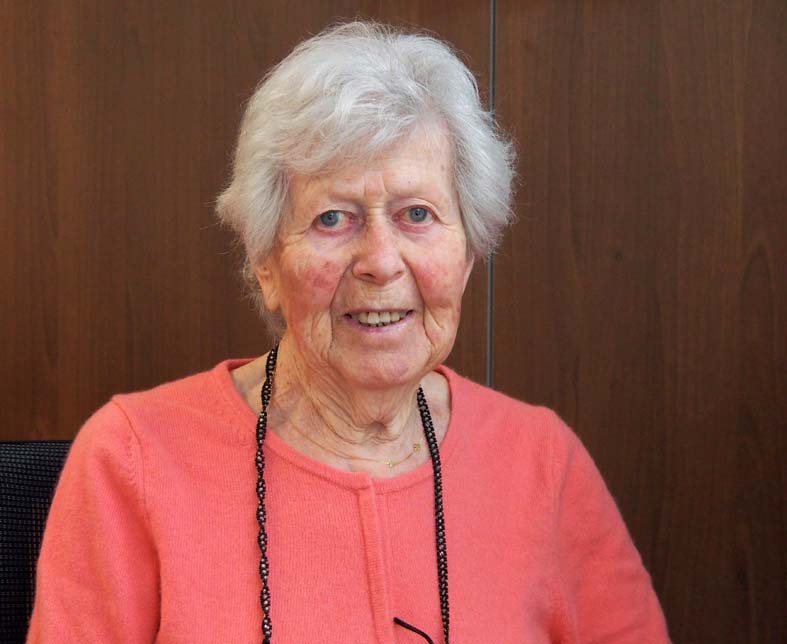
J Z Young delivers BBC Reith Lectures
John Zachary Young, elected Honorary Member in 1978, played a key role in twentieth-century neurophysiological research. After demonstrating for the first time the regeneration of nerve fibres in an adult invertebrate, he worked with junior colleague Peter Medawar on the repair of nerve injuries during World War II. Medawar himself was subsequently elected Honorary Member (1975) and won the Nobel Prize (1960) for his immunological research. Young also discovered the squid giant axon, central to the Nobel Prize-winning work (1963) on nerve function of Andrew Huxley, Alan Hodgkin and John Eccles.
Beginning in 1948, each year the BBC invites a leading figure to deliver a series of lectures on radio with the aim of advancing public understanding and debate about significant issues of contemporary interest. Young’s Reith lecture series was entitled: ‘Doubt and Certainty in Science’.
External resource: The Reith Lectures: ‘Doubt and Certainty in Science’
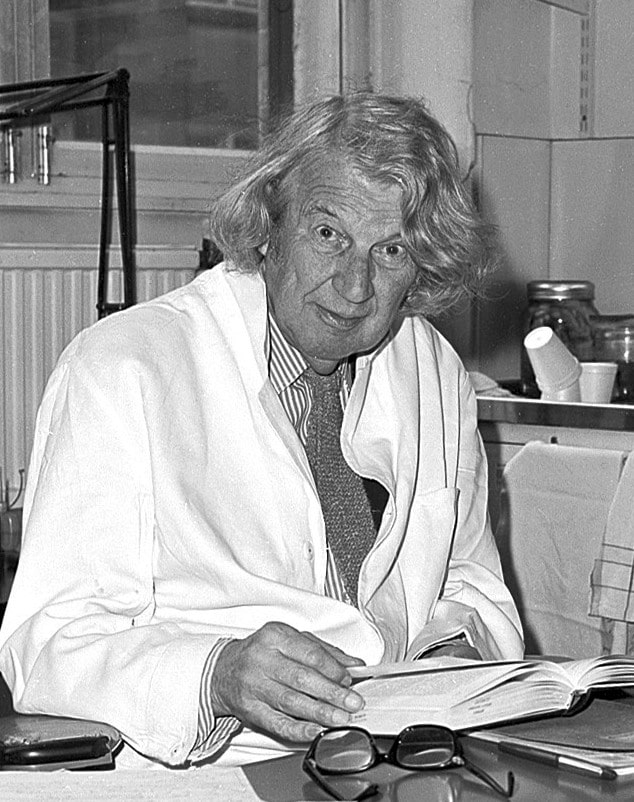
British North Greenland Expedition (1952-4)
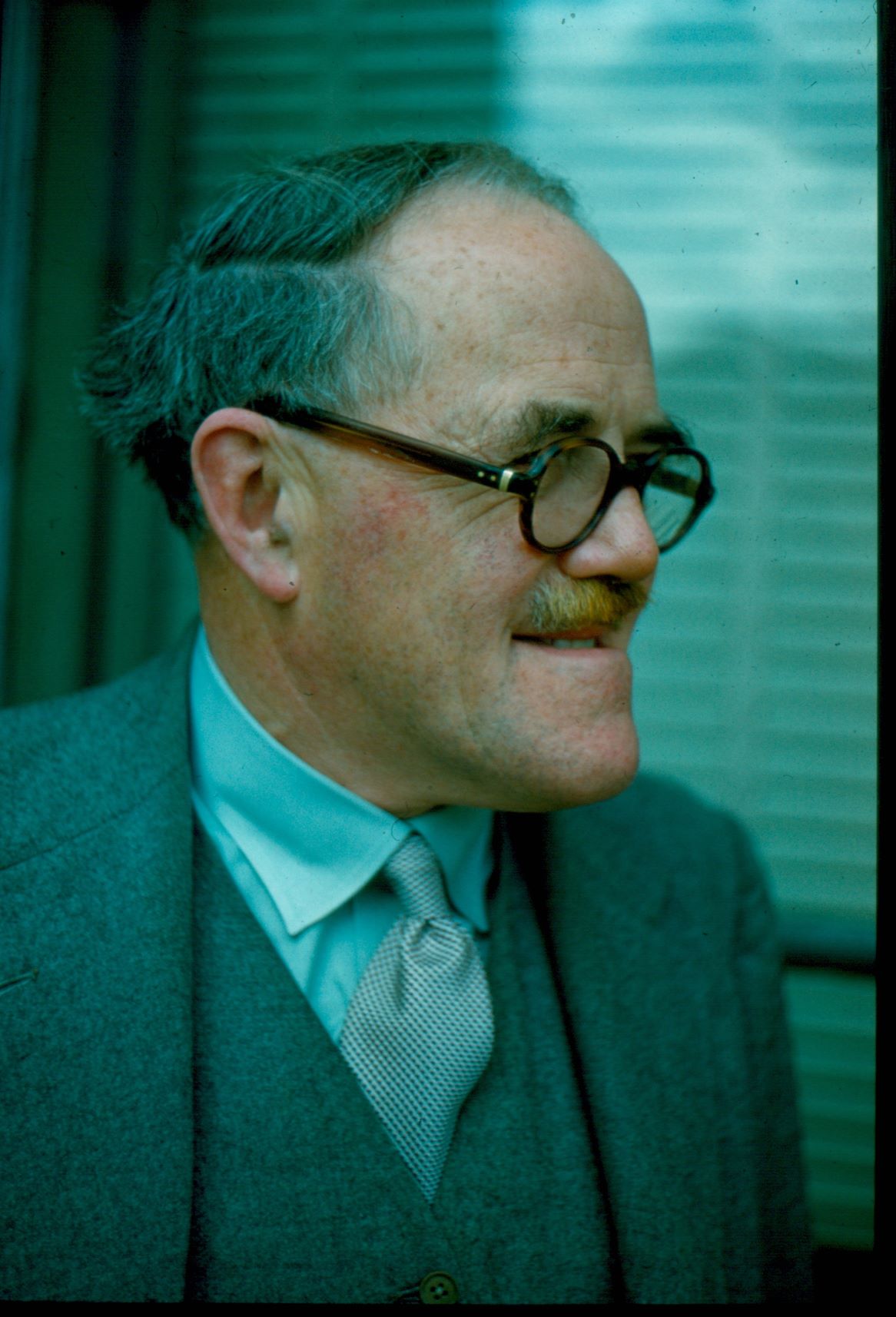
‘Physiologists joined geographers on this expedition to conduct a research programme prepared by the Medical Research Council. They included Harold Lewis, official photographer to The Physiological Society, who published several related papers in the Lancet and made a colour film about the polar research. Several Society members today study human and animal physiology in extreme conditions, presenting their work at meetings like ‘Extreme Environmental Physiology: Life at the Limits’ (2019: Portsmouth, UK).
External resource: Polar physiology on the North Greenland Expedition 1952-54. (Wellcome Library)
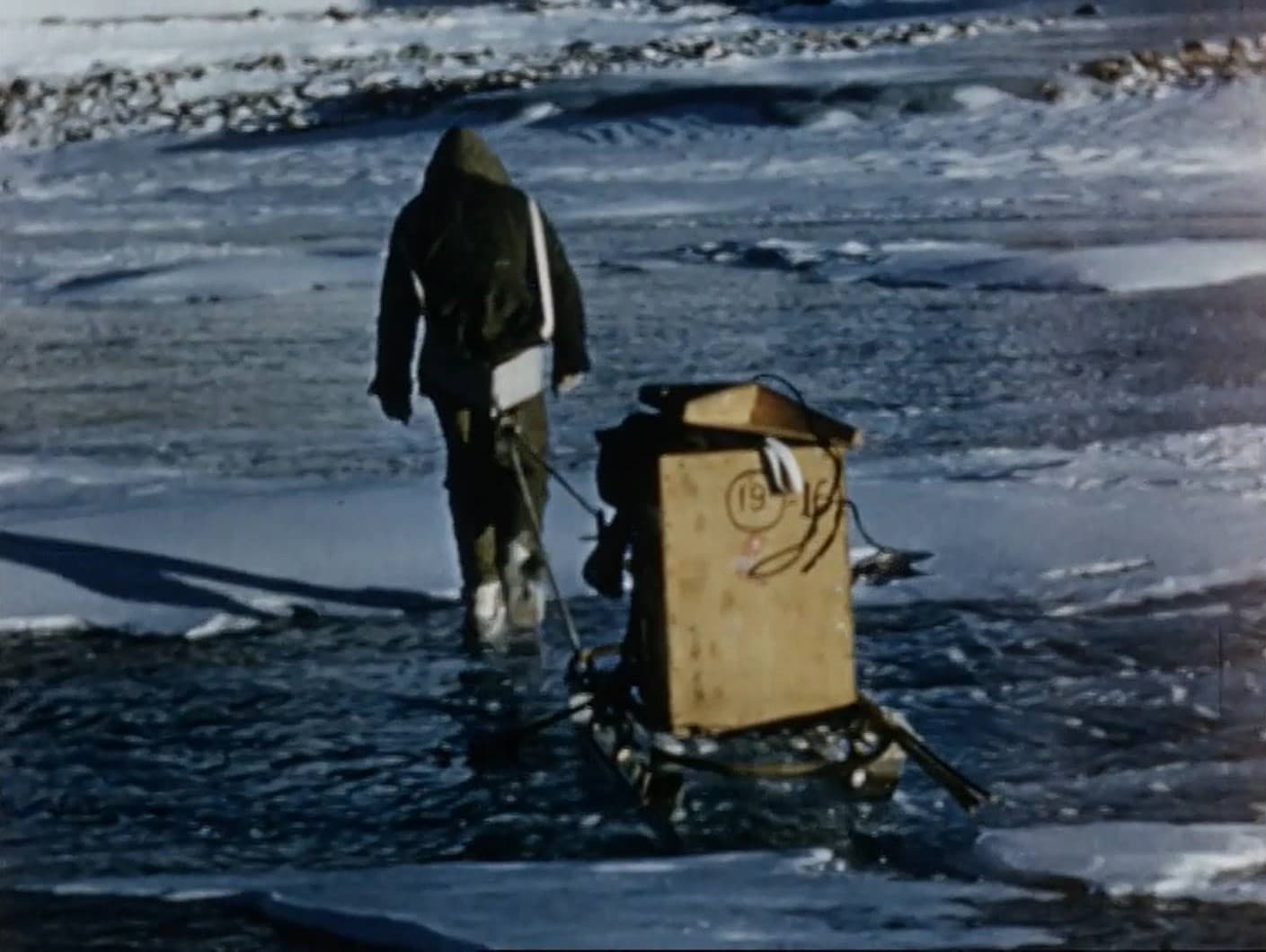
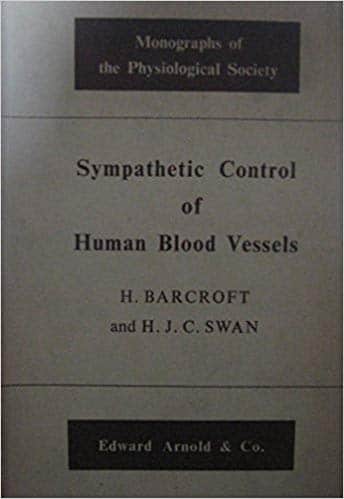
Society sponsors first monograph
With ‘Sympathetic control of human blood vessels’, Henry Barcroft and Jeremy Swan followed in the tradition of the monographs edited by Ernest Starling a generation before. Barcroft was Joseph Barcroft’s son and Professor of Physiology St Thomas’ Hospital Medical School. Swan was an Irish-born US cardiologist who co-invented the Swan-Ganz catheter, a device used in the pulmonary artery to assess the function of the heart.
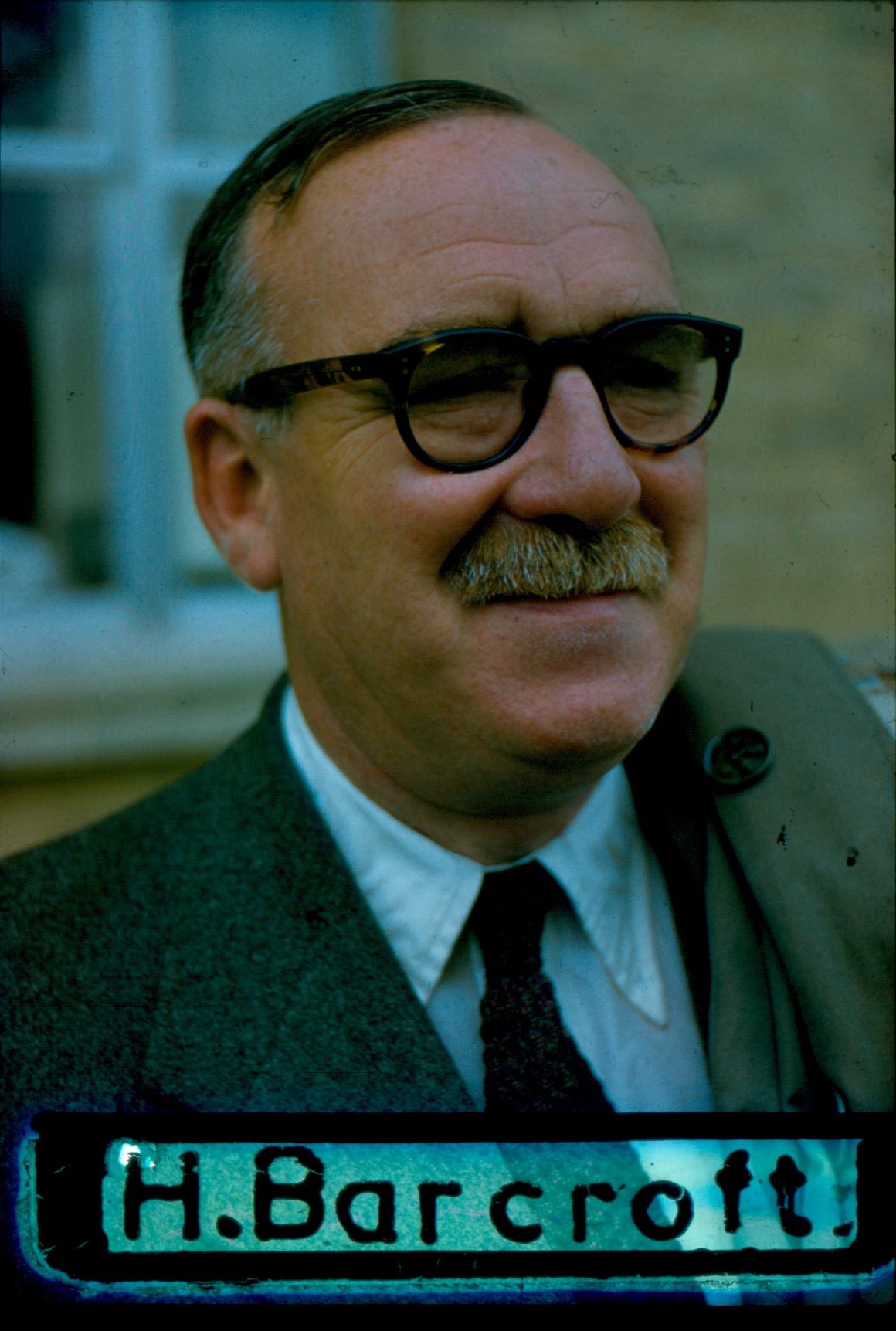
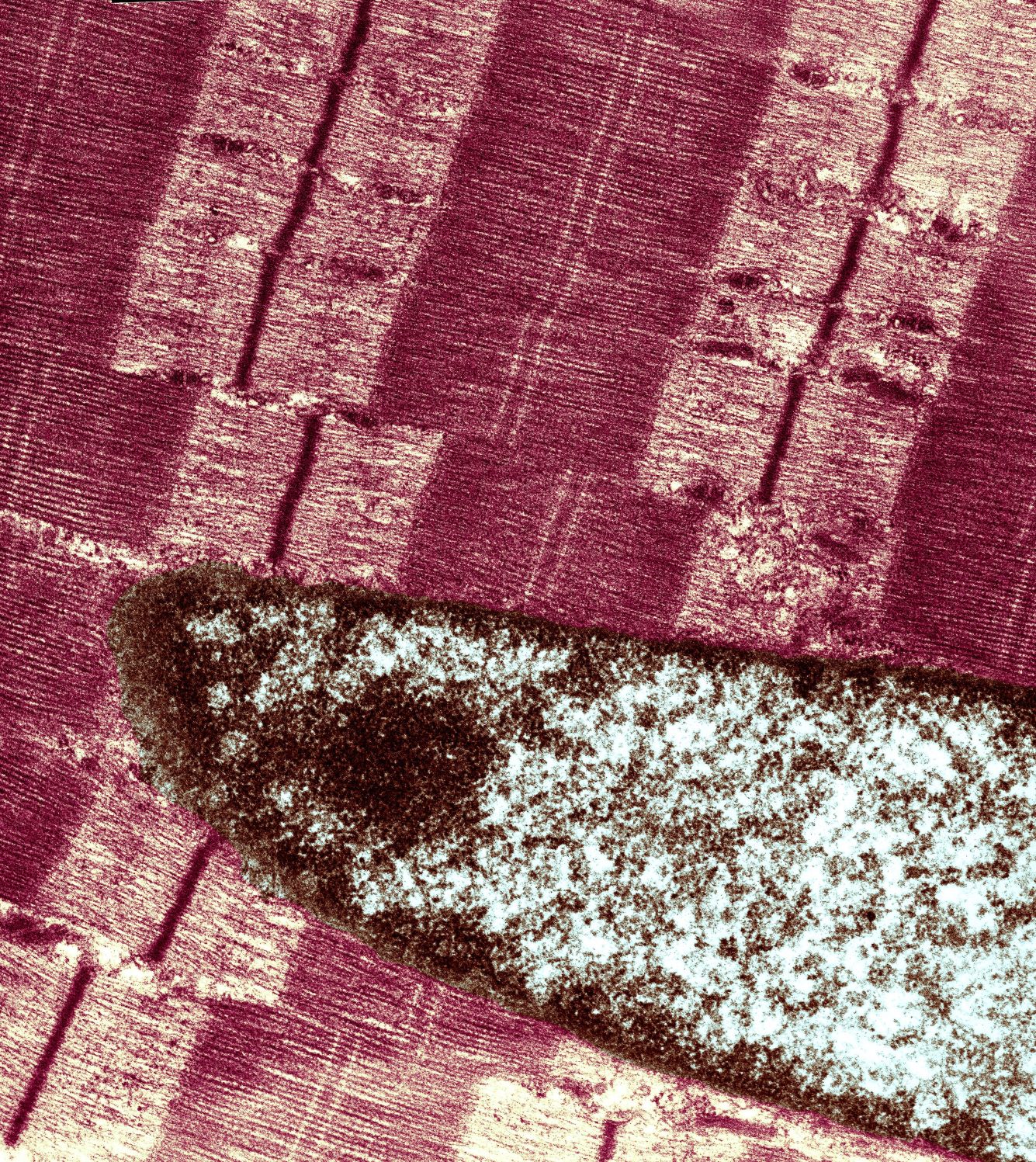
Sliding filament theory published
Rolf Niedergerke and Andrew Huxley published their landmark note on the sliding filament theory of muscle contraction in the journal, Nature. An adjacent note by biophysicists Jean Hanson and Hugh Huxley (no relation) reported a similar conclusion independently. Nature marked the fiftieth anniversary of the publications with an article featuring photographs of the four scientists. Niedergerke, a Member (1959) and then Honorary Member (1987) of The Society, published other skeletal muscle work in The Journal of Physiology. He went on to make other important discoveries about calcium and cardiac muscle contraction.
External resource: Proceedings of The Physiological Society 26-27 March 1954
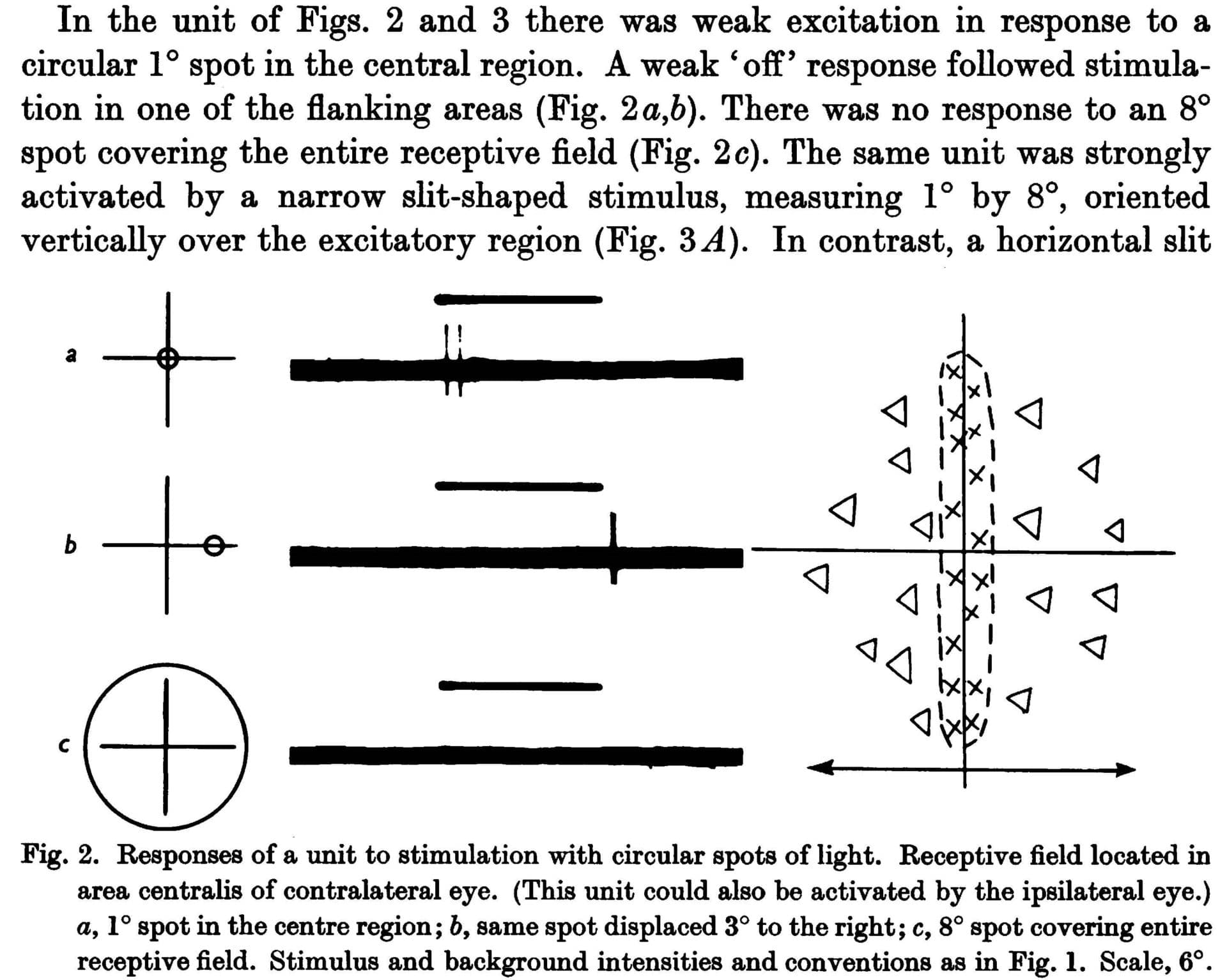
First Hubel and Wiesel paper in The Journal of Physiology
David Hubel and Torsten Wiesel conducted groundbreaking experiments at Johns Hopkins School of Medicine for over thirty years. Much of their early research on the physiology of vision was published in The Journal of Physiology. In 1981, they won a Nobel Prize for this work and were subsequently elected Honorary Members of The Physiological Society (1983).
External resource: Receptive Fields of Single Neurones in the Cat’s Striate Cortex (The Journal of Physiology)
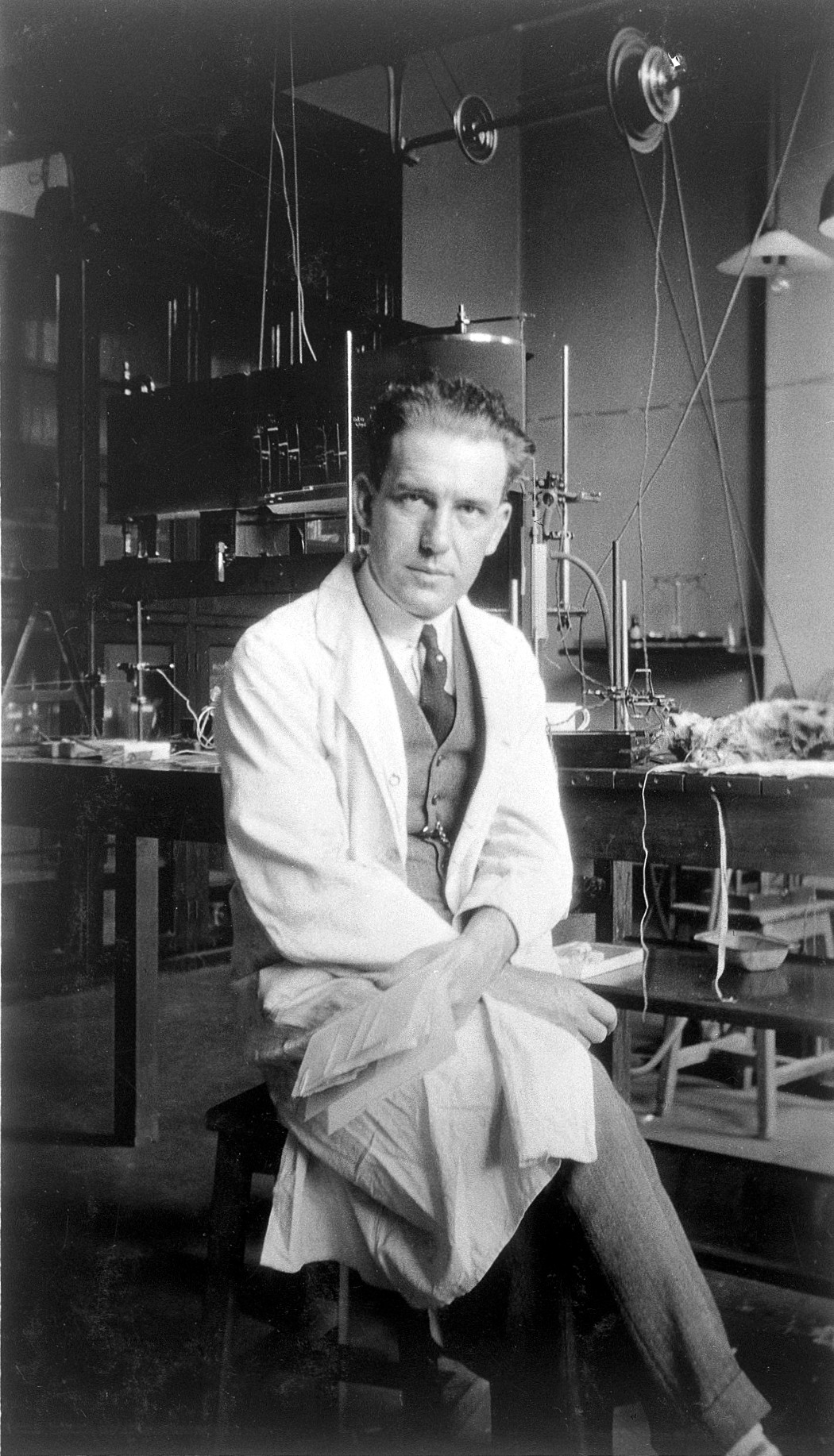
First Bayliss-Starling prize lecture
Established by The Physiological Society to honour the two colleagues, this was initially a triennial lectureship. It is now an annual event, given alternately by an established physiologist and an early-career physiologist. The first lecture, ‘Reminiscences of Bayliss and Starling’ was given by Charles Lovatt-Evans (1884-1968), at various times Professor of Physiology at Leeds, St Bartholomew’s and UCL. Lovatt-Evans worked in Starling’s UCL laboratory from 1911-16 and spoke about his experiences often — and well — as the late Jim Pascoe recalls.
External resource: Charles Arthur Lovatt (Sir) Evans (Royal College of Physicians)
Listen to the lecture
Listen to Pascoe talk about Lovatt Evans
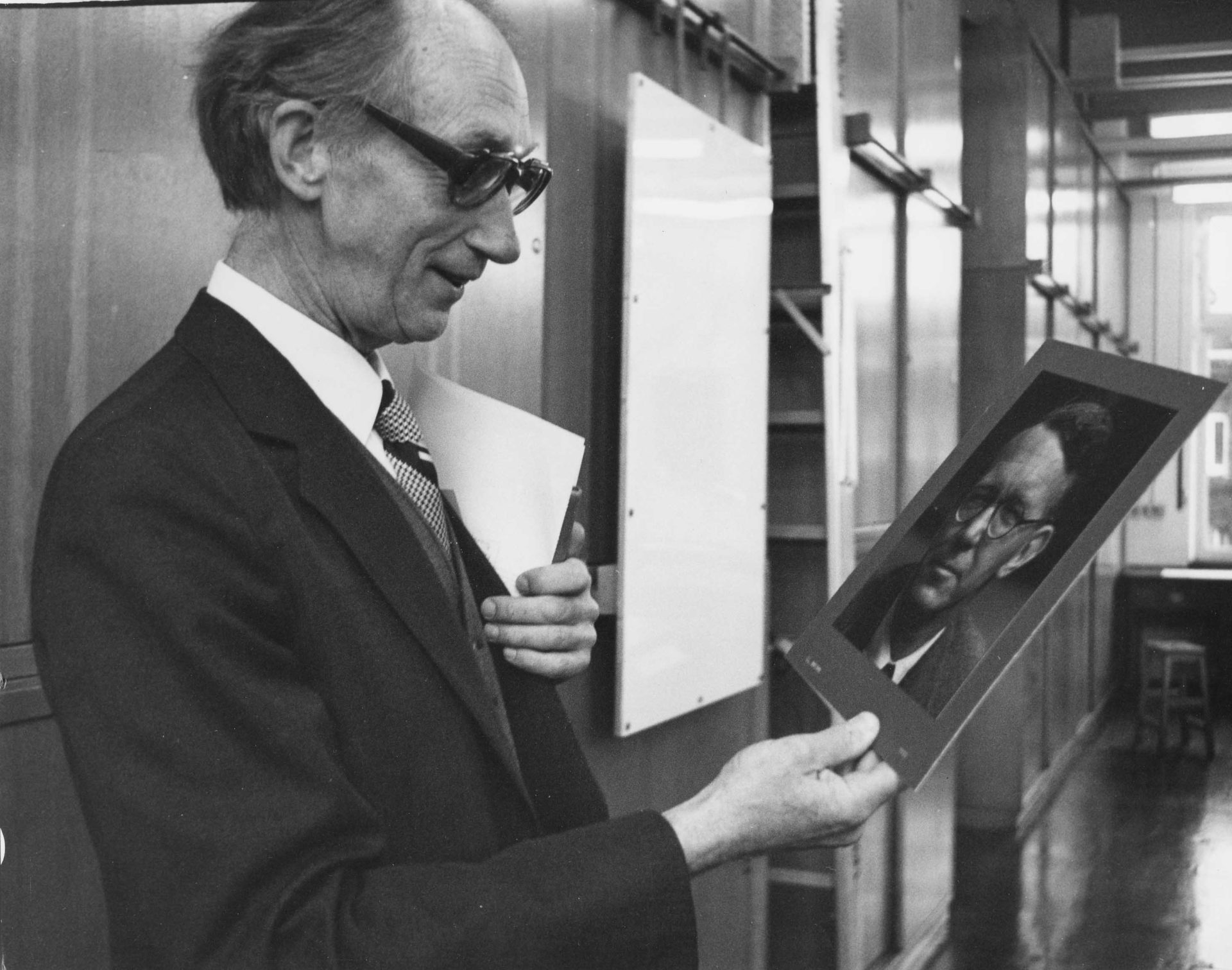
Hodgkin, Huxley and Eccles win Nobel Prize
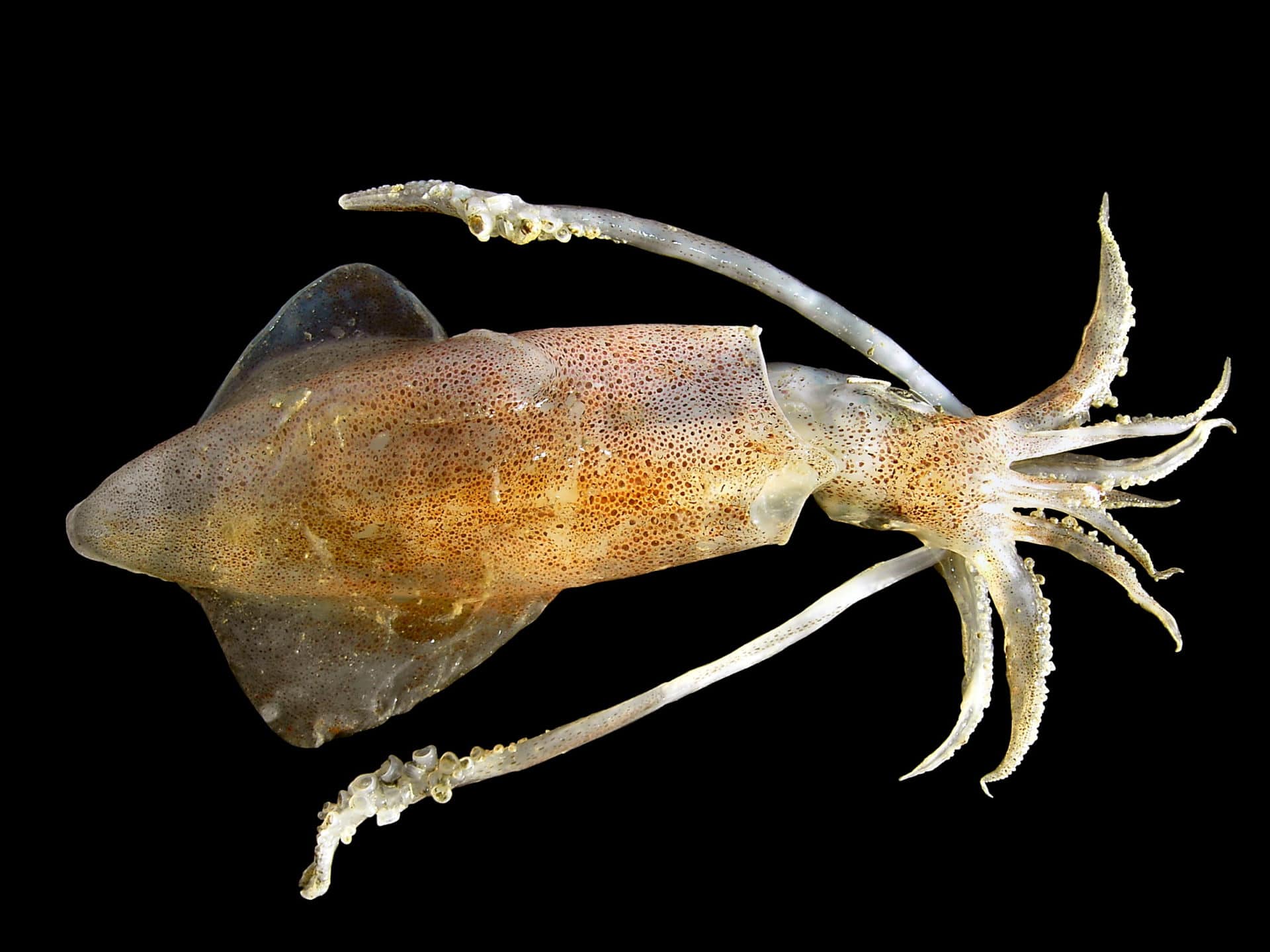
Alan Hodgkin and Andrew Huxley, Cambridge physiologists and longstanding members of The Society, discovered the ionic mechanism of nerve impulse conduction. Their 1952 series of landmark papers in The Journal of Physiology includes the most cited in the history of The Journal, which subsequently published an account of their collaboration. Eccles, later elected an Honorary Member of The Society, worked separately in Australia on the nature of communication between nerve cells. A 1975 film, made by The Physiological Society, features Alan Hodgkin, John Young and others and tells the twenty-year story of the squid experiments that led to Hodgkin and Huxley’s discovery.
Listen to Huxley speak about winning the prize
External resources: The squid and its giant nerve fibre (YouTube)
A Quantitative Description of Membrane Current and its Application to Conduction and Excitation in Nerve (The Journal of Physiology)
A brief historical perspective: Hodgkin and Huxley by Christof J. Schwiening (The Journal of Physiology)
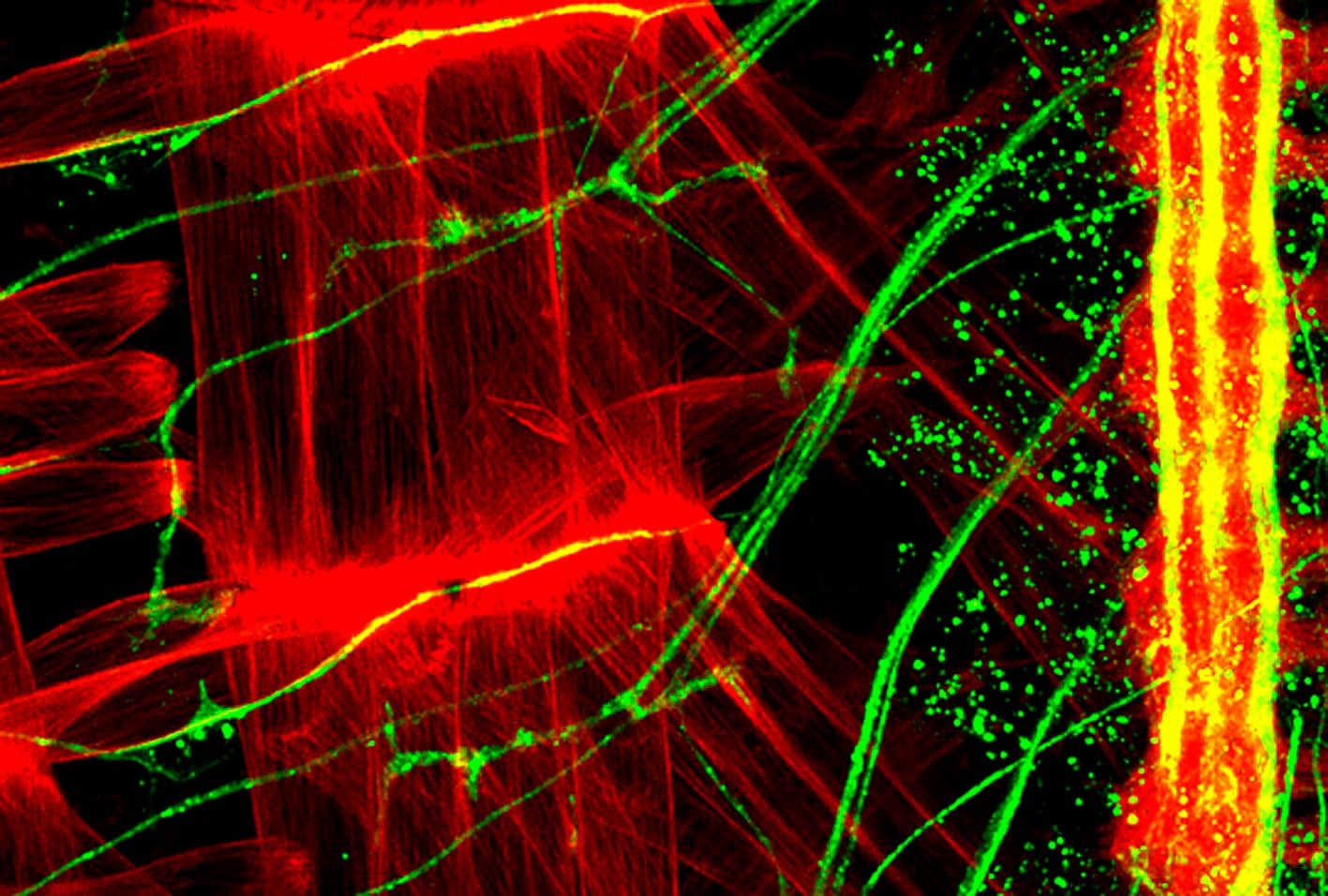
Katz wins Nobel Prize, with von Euler and Axelrod
Bernard Katz (1911-2003) fled from Leipzig to England to escape the Nazis in 1935. He studied at UCL under A V Hill, in Australia with John Eccles, and was appointed head of the new Biophysics Department at UCL in 1952. His Nobel Prize was awarded for work on neurotransmitter release at nerve terminals. In 1999, The Society established the biennial Hodgkin-Huxley-Katz Prize Lecture to celebrate the contributions to science of its three Honorary Members.
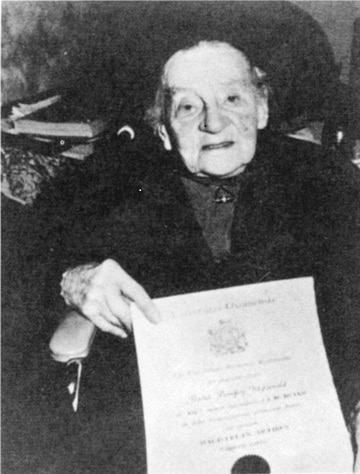
Mabel FitzGerald, centenarian, receives honorary Oxford MA
Mabel Purefoy FitzGerald (1872-1973) started her physiological research at Oxford University and worked with John Scott Haldane, though her gender prevented her from taking a degree. After moving to America with a Rockefeller scholarship, she joined Haldane and Claude Douglas for part of the 1911 Pike’s Peak expedition and later published her high altitude research as sole author. Overlooked for many years, she was invited to the Haldane Centenary Symposium in Oxford (1961). Her honorary MA was then awarded in 1972, in belated recognition of her achievements. She was elected a Member of The Physiological Society the same year.
External resource: The normal alveolar carbonic acid pressure in man by Mabel Purefoy Fitzgerald and J. S. Haldane (The Journal of Physiology)
First G L Brown lecture
This annual Prize Lecture was established by The Society in memory of Sir George Lindor Brown, who held both Jodrell and Wayneflete chairs in physiology (respectively UCL, 1949-60; Oxford, 1960-67) . As well as significant wartime contributions to research on diving, he studied both cholinergic and adrenergic mechanisms of neurotransmission. He served in senior positions at The Physiological Society and was editor of The Journal of Physiology (1940-47). Hear his junior colleague, the late John Gillespie, talk about G L Brown here.
Gillespie on G L Brown
External resource: George Lindor (Sir) Brown (Royal College of Physicians)
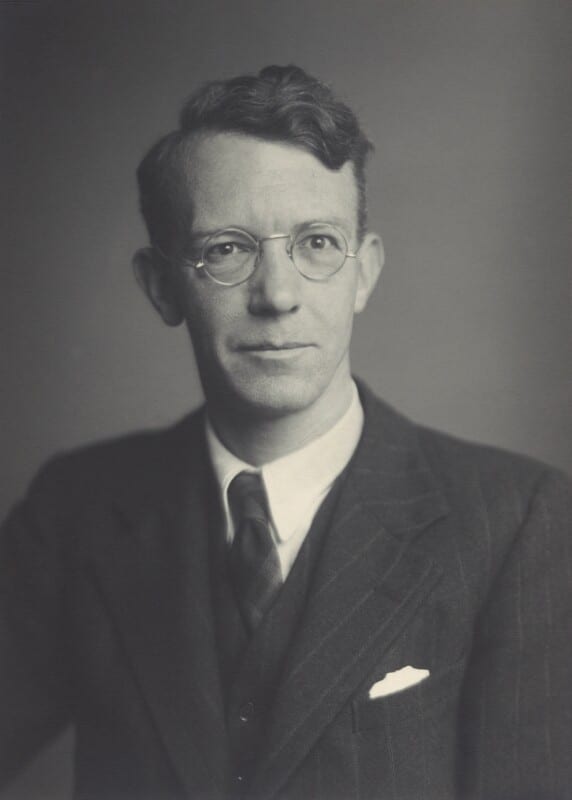
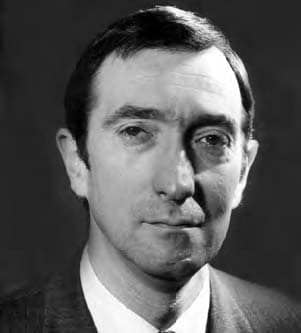
Centenary celebrations
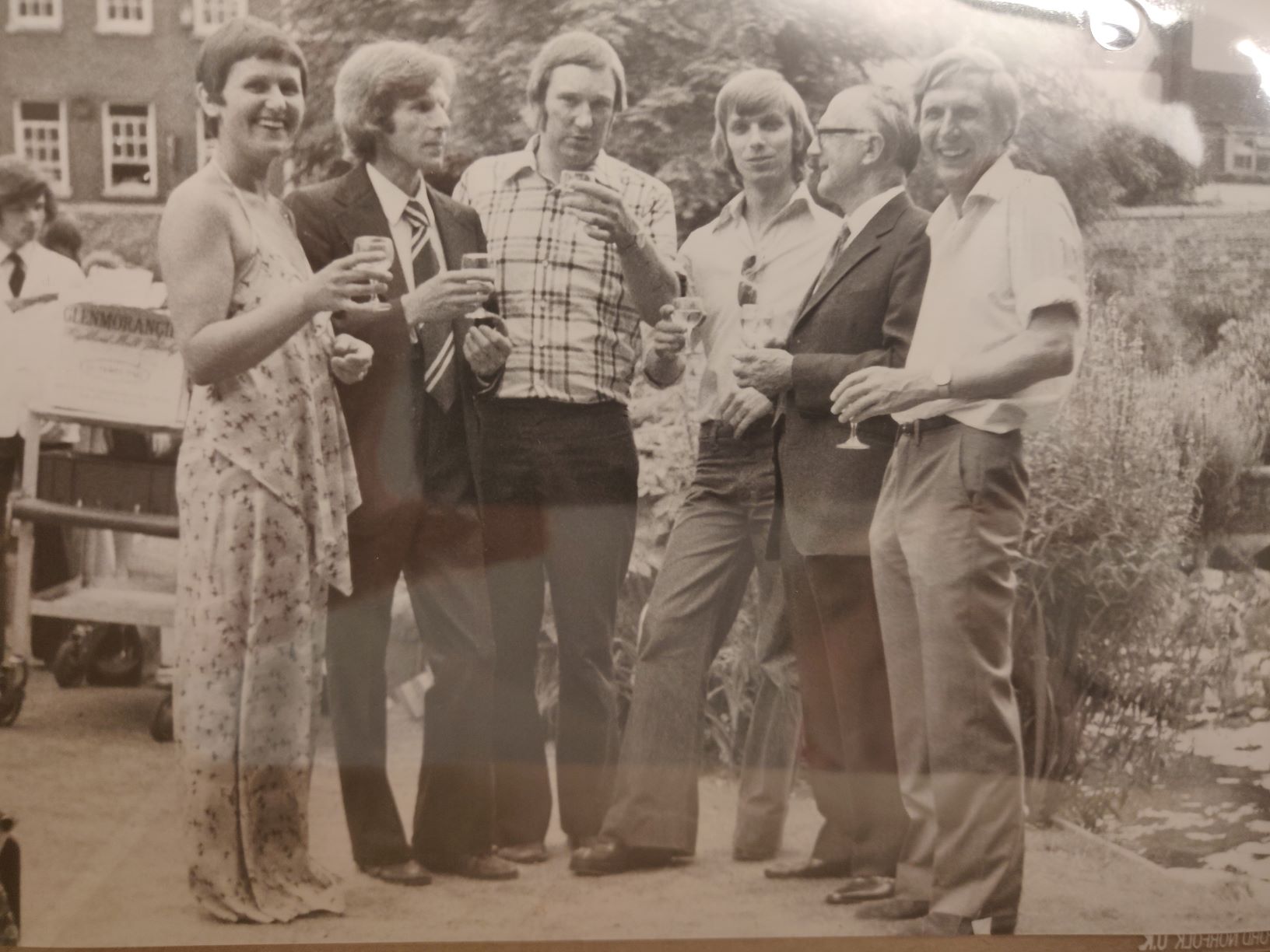
By its centenary year, The Society had more than 1200 Members. Of its 26 Honorary Members, seven held Nobel Prizes. The Society celebrated with a centenary meeting in Cambridge. A history of The Society from 1926-76 was commissioned from William Bynum, the medical historian, to complement Edward Sharpey-Schafer’s account of the first fifty years. The Society also launched its Benevolent Fund to offer financial assistance to physiologists in financial difficulty.
External resource: A Short History of The Physiological Society (1926-1976) by W. F. Bynum (JP)
Society appoints first Honorary Archivist
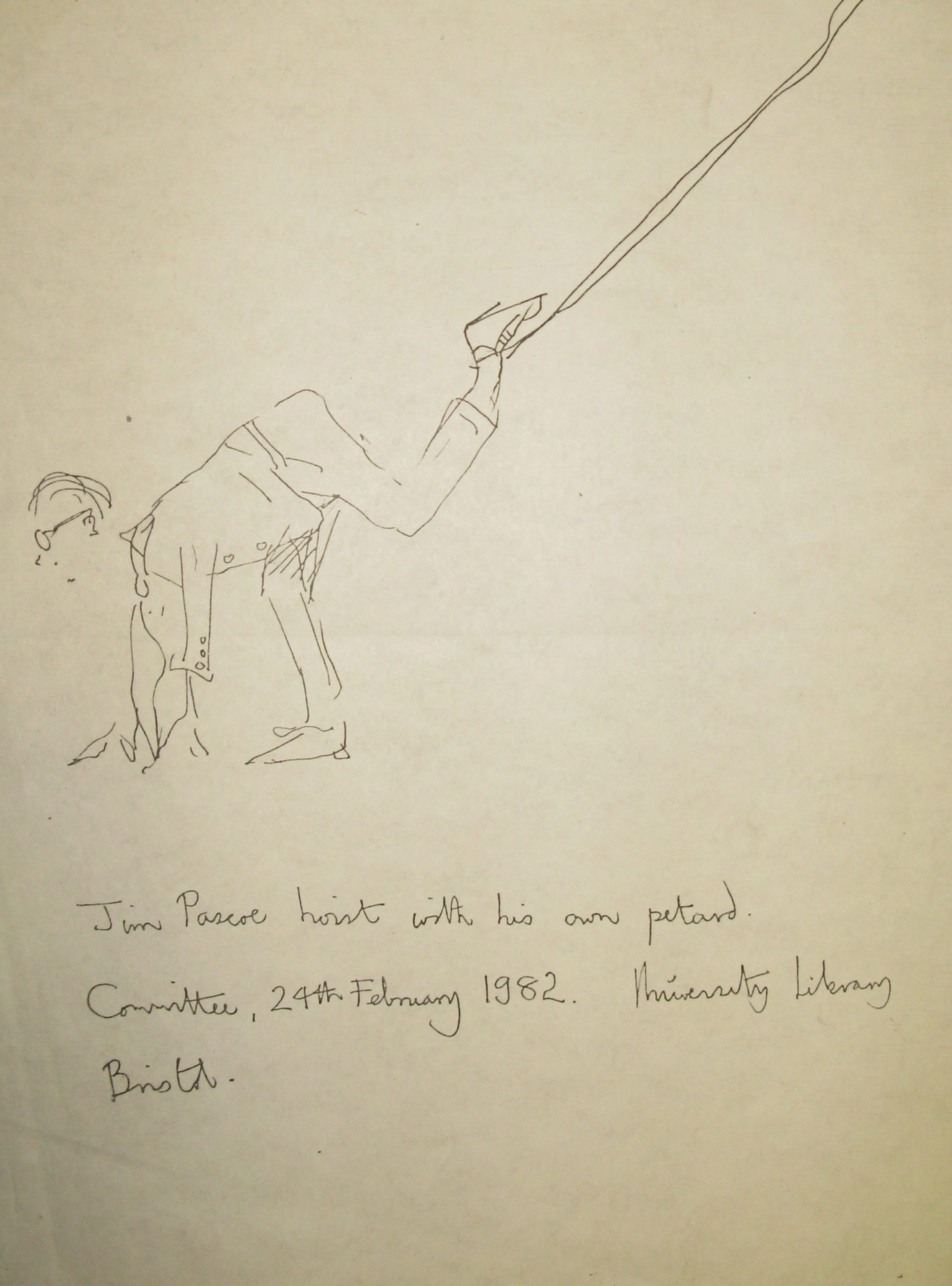
Originally Physiological Society papers were simply passed from each officer to his successor. From 1954 an ‘archival depot’ was established at University College London. After transfer in 1973 to the Churchill College Archives Centre, Cambridge, this collection was professionally catalogued. Donald Steven (1933-2005), a placental physiologist and talented artist with a longstanding interest in the history of medicine, was subsequently appointed Honorary Archivist. In 1991, The Physiological Society archive was moved again to its current home at the Wellcome Library, and Member (later Honorary Member) Tilli Tansey, a neuroscientist who had become a professional historian, was appointed Honorary Archivist.
Physiologist Martin Rosenberg appointed Society’s photographer
Martin Rosenberg (d.2011), physiologist and photographer, was elected Member in 1968. He was closely involved in The Society’s Oral History project and in cataloguing thousands of images in The Society’s archive at the Wellcome Library.
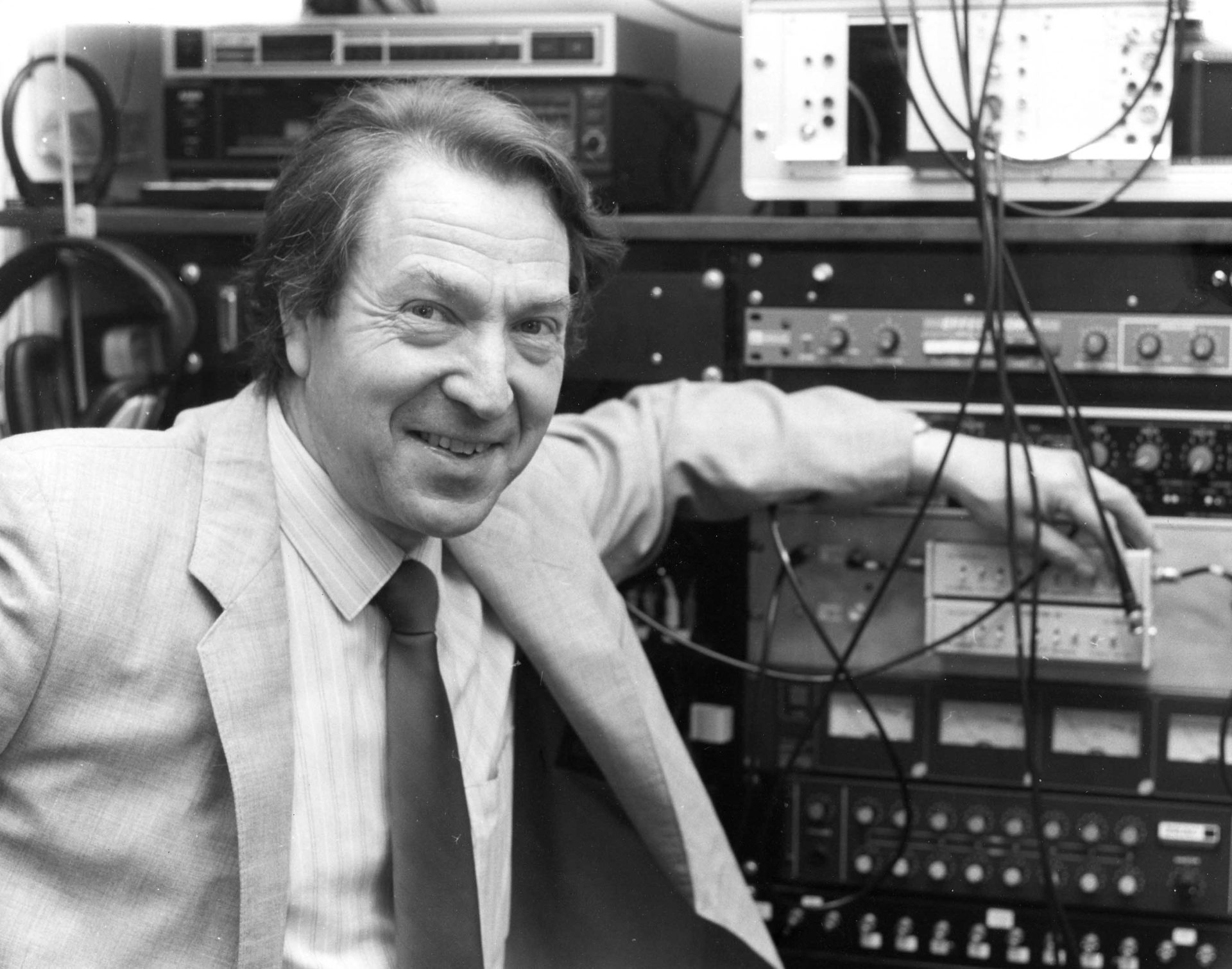
Physiology Society Committee Newsletter founded
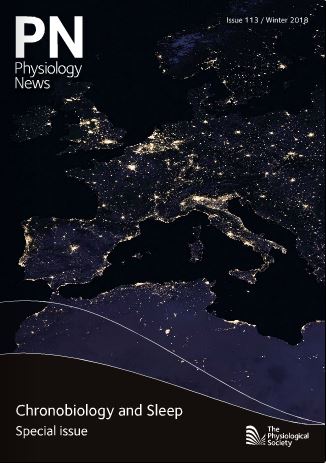
The Newsletter was originally edited by J A Stephens of the Sherrington School of Physiology at St. Thomas Hospital Medical School. It has since been renamed The Physiological Society Magazine (1992), Physiological News (2001) and finally Physiology News. It is now a quarterly magazine of The Society, acting as a two-way communication channel between the administration and the Members, and serving as a shop window for Society activities.
Animals (Scientific Procedures) Act
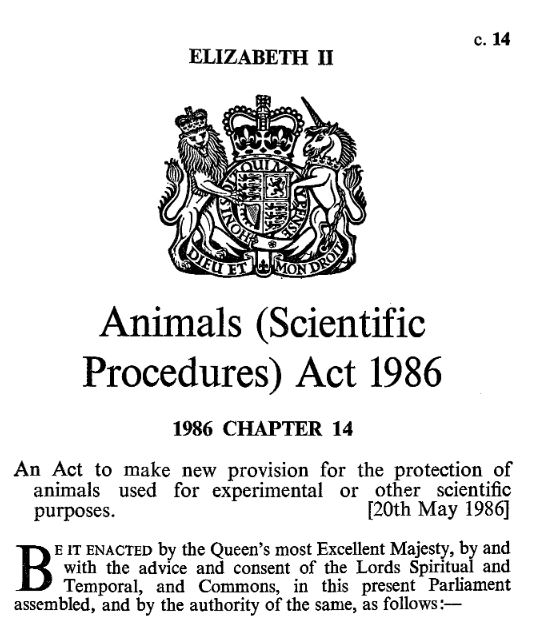
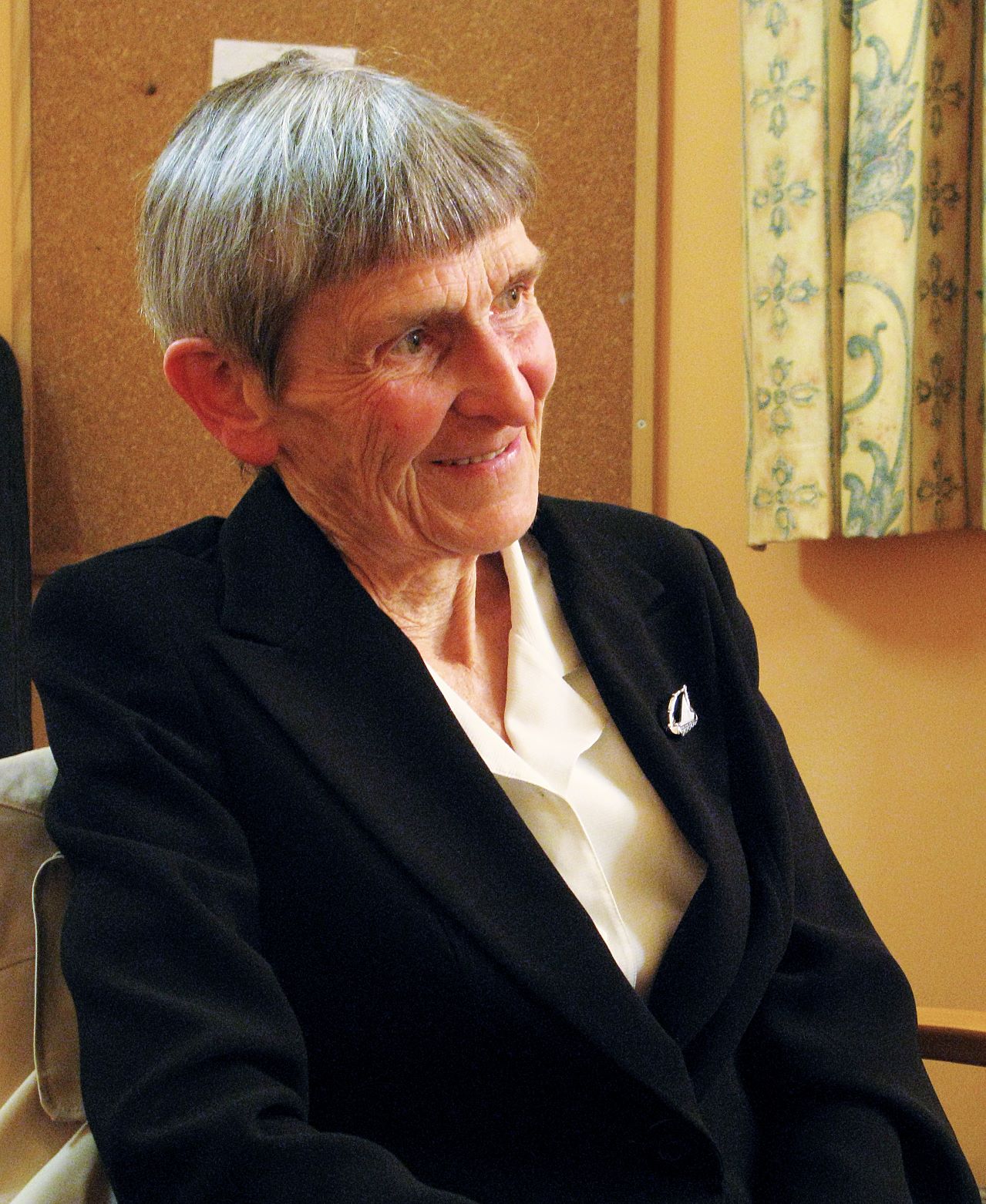
In 1979 Lord Halsbury sought to instigate replacement of the 1876 Cruelty to Animals Act with the Laboratory Animals Protection Bill — strongly opposed by both experimental physiologists and anti-vivisectionists. The bill started the events that led to the Animals (Scientific Procedures) Act 1986, whose effects were investigated by a House of Lords Select Committee in 2002. They concluded that, ‘virtually all witnesses agreed that the UK has the tightest system of regulation in the world’. Several Physiological Society Members were involved in lobbying parliament in the 1980s against a backdrop of terrorist attacks on scientists and laboratories. Listen here to Ann Silver’s first hand account of the Northern Animal Liberation League raid on the Babraham Agricultural Research Institute in 1980.
Silver Babraham Raid Transcript – Ann Silver
First Paton Prize Lecture
Sir William Drummond Macdonald Paton (1917-93) made major research contributions in pharmacology and physiology. He discovered two classes of drug, acting on nicotinic acetylcholine receptors, of enormous clinical relevance. Other work led directly to the creation of the oxygen, helium and nitrogen mixture used today by deep-sea divers. Paton sat on many committees in public life and had an enduring interest in the history of medicine, hence his substantial donation to The Society to fund this eponymous prize lecture for historical research on physiology and physiologists. The 2018 lecture, ‘From toads and sheep to chronotherapy: A melatonin story?’, was given by Josephine Arendt.
External resources: From toads and sheep to chronotherapy: A melatonin story (YouTube)
William Drummond Macdonald (Sir) Paton (Royal College of Physicians)
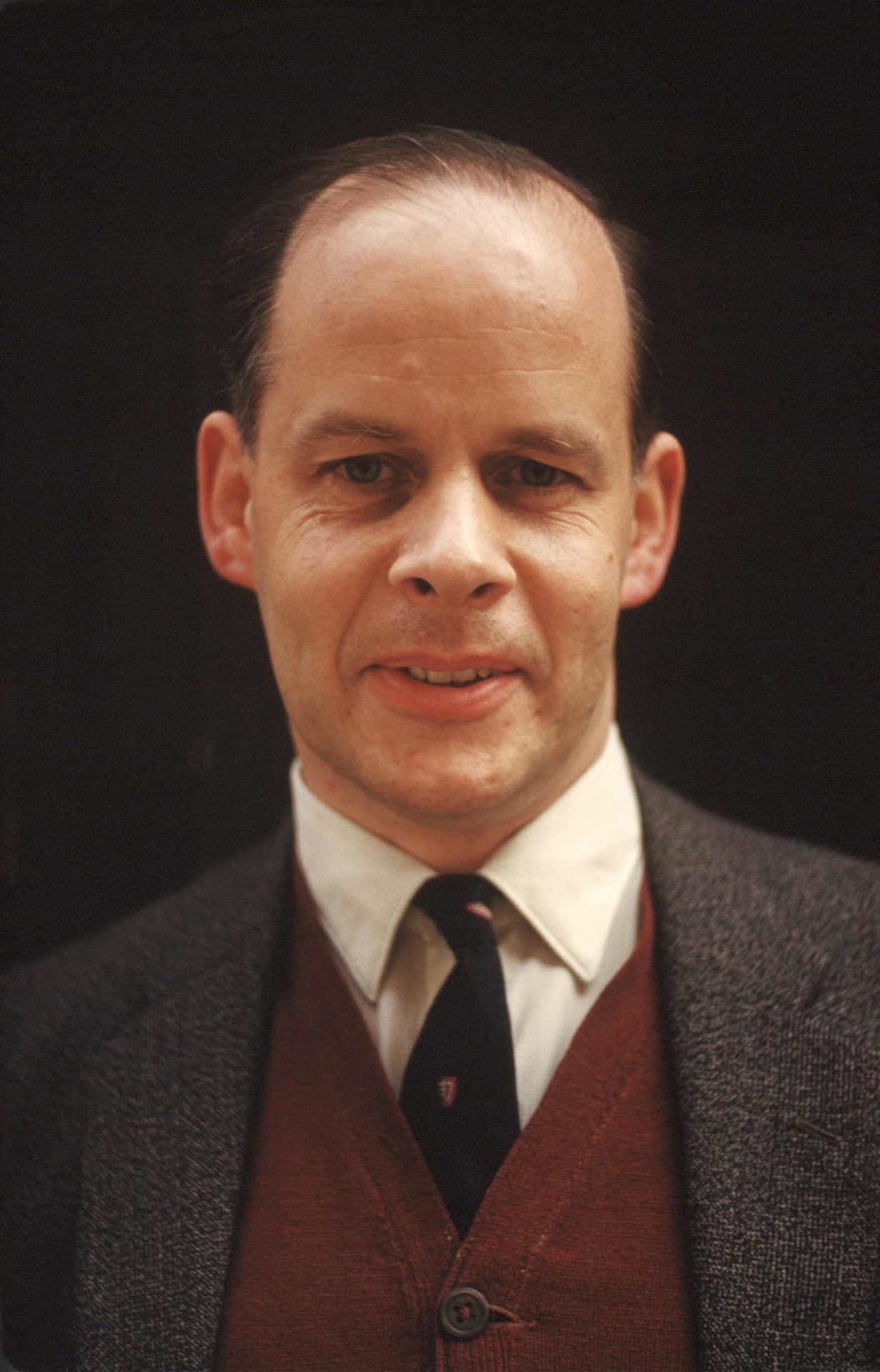
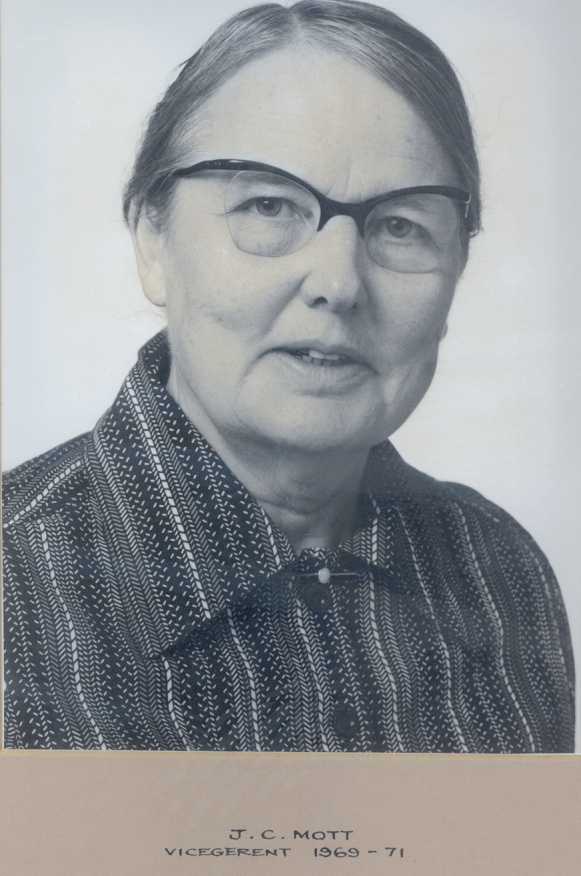
First Joan Mott Prize Lecture
Joan Mott (1921-94) was an Oxford physiologist and zoologist whose bequest to The Society enabled it to fund a biennial prize lecture. Usually given by a woman, the lecture ‘should be particularly relevant to young physiologists and also aim to enhance the profile and significance of women within the discipline’ and is usually published later in Experimental Physiology. The 2019 prize was awarded to Professor Rhian Touyz whose work concerns enzymes involved in the production of reactive oxygen species.
External resource: NOX5: Molecular biology and pathophysiology by Rhian M. Touyz (Experimental Physiology)
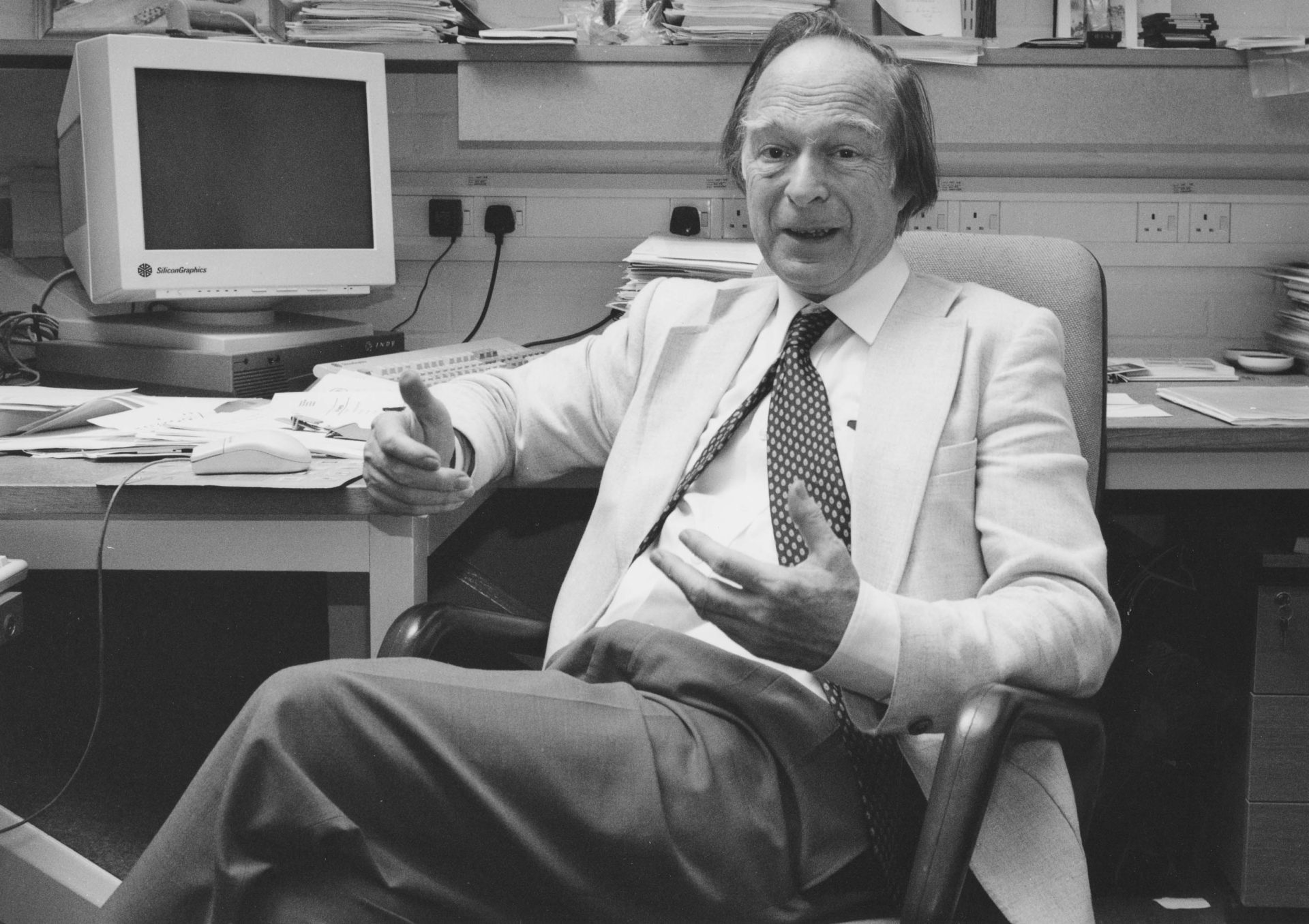
International Physiome Project launched
The Physiome Project is a major international collaboration which aims to explain how each and every component in the body works as part of the integrated whole. Launched by the International Union of Physiological Sciences (IUPS), the project owes much to Denis Noble — IUPS Secretary-General at the time and a pioneer of ‘systems biology’. In 1960, he published the first ever mathematical model of cardiac cell function using newly-discovered potassium ion channels. Noble held senior roles in The Physiological Society for many years and was elected Honorary Member in 1997.
External resource: Physiome Project (International Union of Physiological Sciences)
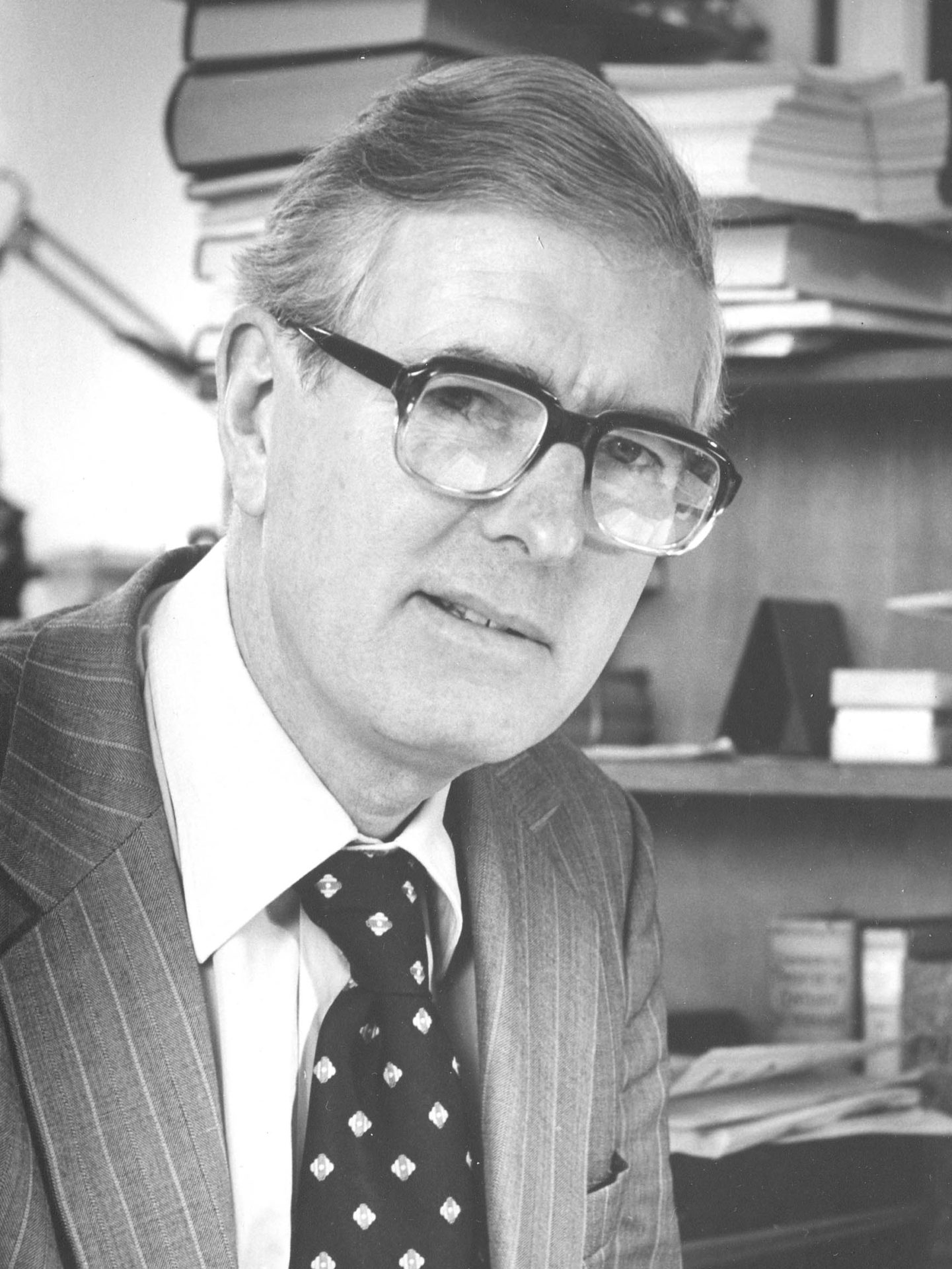
First Michael de Burgh Daly Prize Lecture
Michael de Burgh Daly (1922-2002) was Professor of Physiology at St Bartholomew’s Hospital Medical College for over 25 years. His research largely concerned carotid body chemo- and baroreceptors. This biennial prize lecture is awarded with input from physiologists working in related fields. The 2018 Michael de Burgh Daly Lecture, ‘PL009 Nox4 – multiple functions of a NADPH Oxidase in health and disease’ was given by Katrin Schröder, with a subsequent review article in Experimental Physiology.
External resource: NADPH oxidase-derived reactive oxygen species: Dosis facit venenum (Experimental Physiology)
First Annual Public Lecture
In 2005, the Society started the Annual Public Lecture to promote the understanding of physiology among the general public and schools. Titles have included ‘My genes made me eat that‘ and ‘The loving brain: monogamy to maternity‘. The Society has a long tradition of public talks and demonstrations. These date back to ‘Living Machinery’, A V Hill’s 1926 series of children’s Christmas lectures at the Royal Institution, and even earlier.
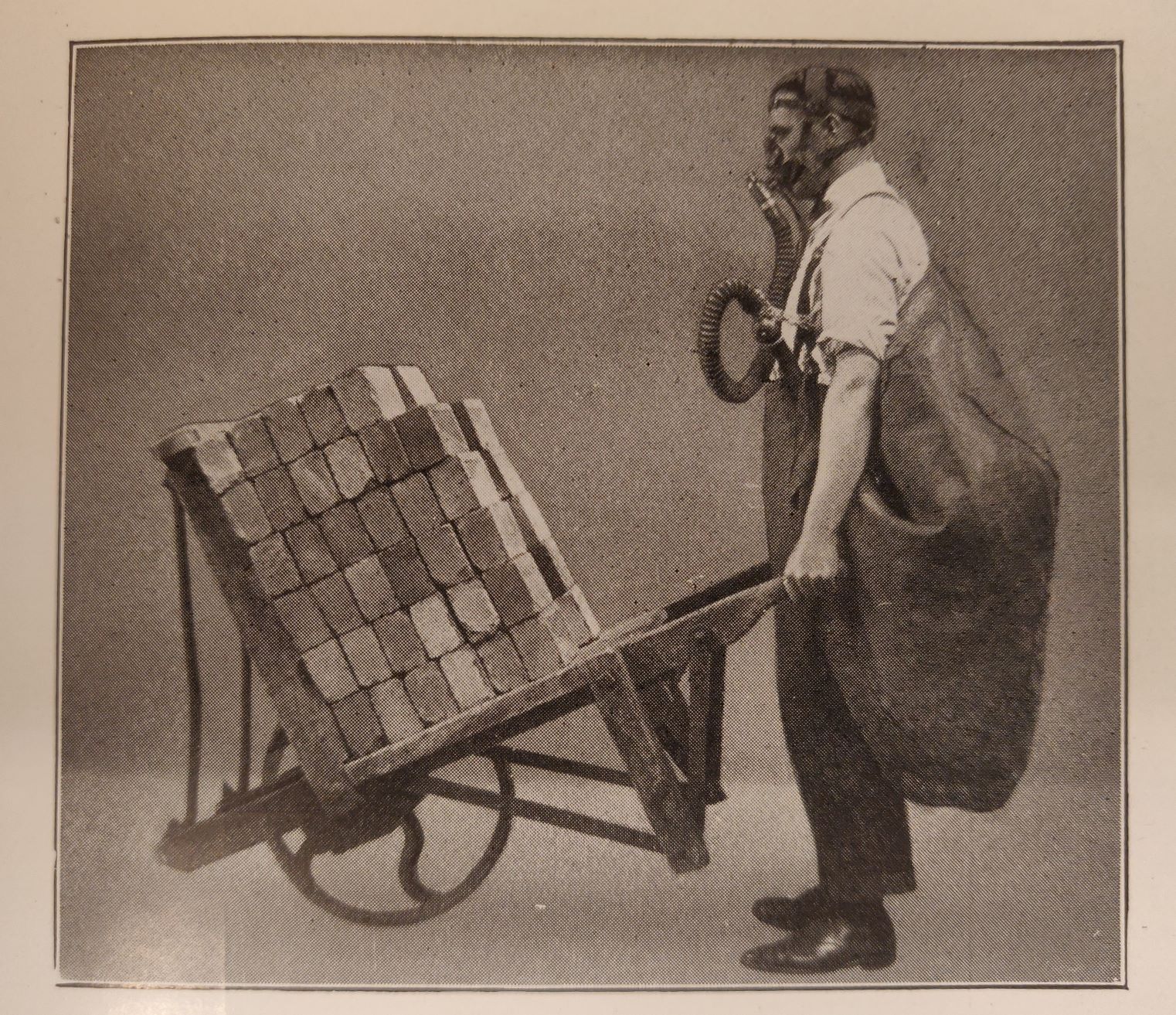
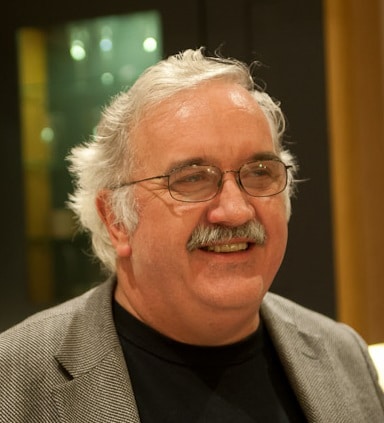
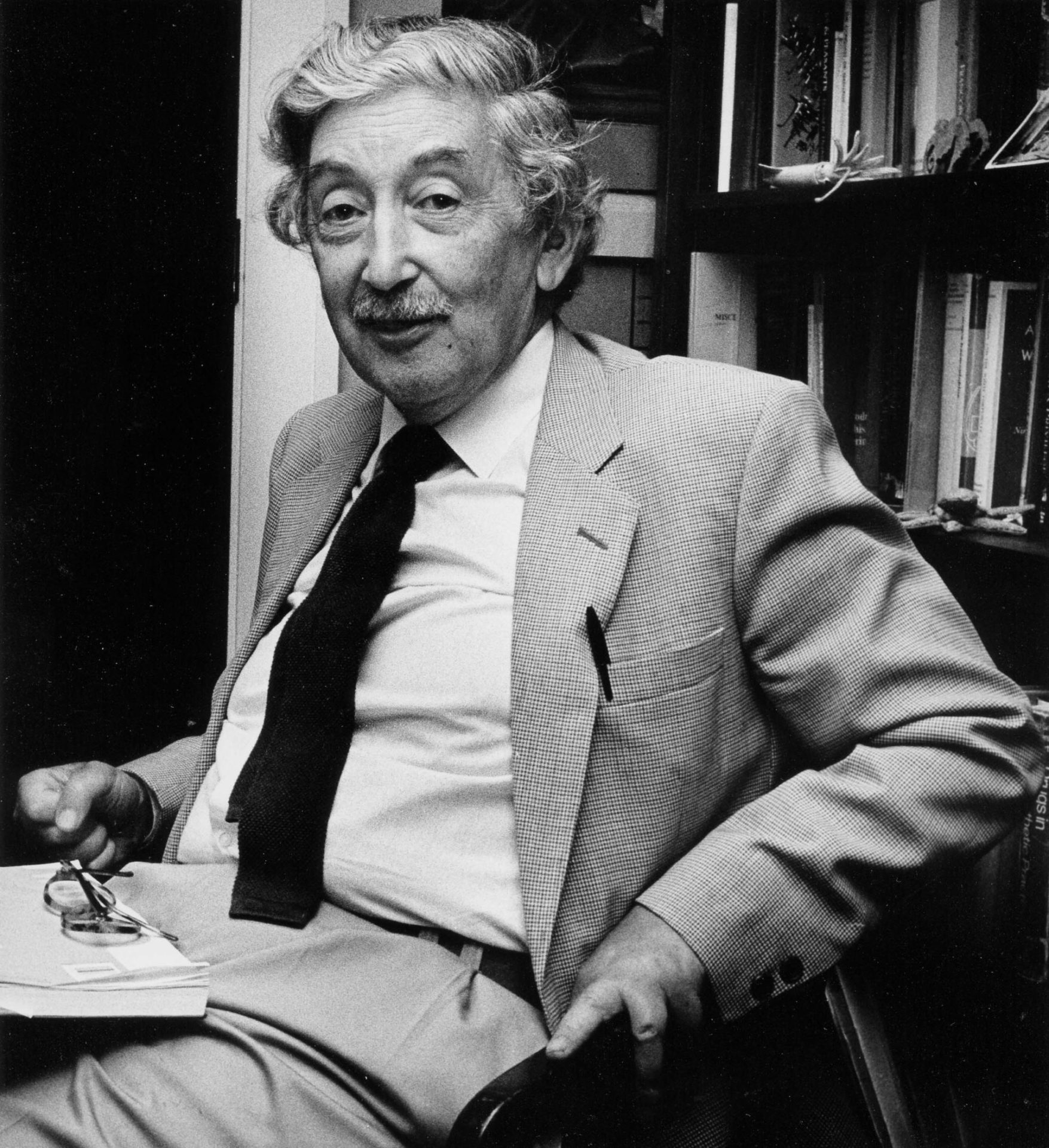
First Otto Hutter Teaching Prize awarded
This annual prize is awarded to outstanding teachers of physiology at undergraduate level. Otto Hutter, emeritus Regius Professor of Physiology at University of Glasgow, is thought to have established the first, fully-integrated electrophysiological lab for undergraduate teaching. An acclaimed innovator in teaching, he is famous for encouraging tutorial students to participate by throwing them the blackboard chalk.
External resource: An interview with Otto Hutter
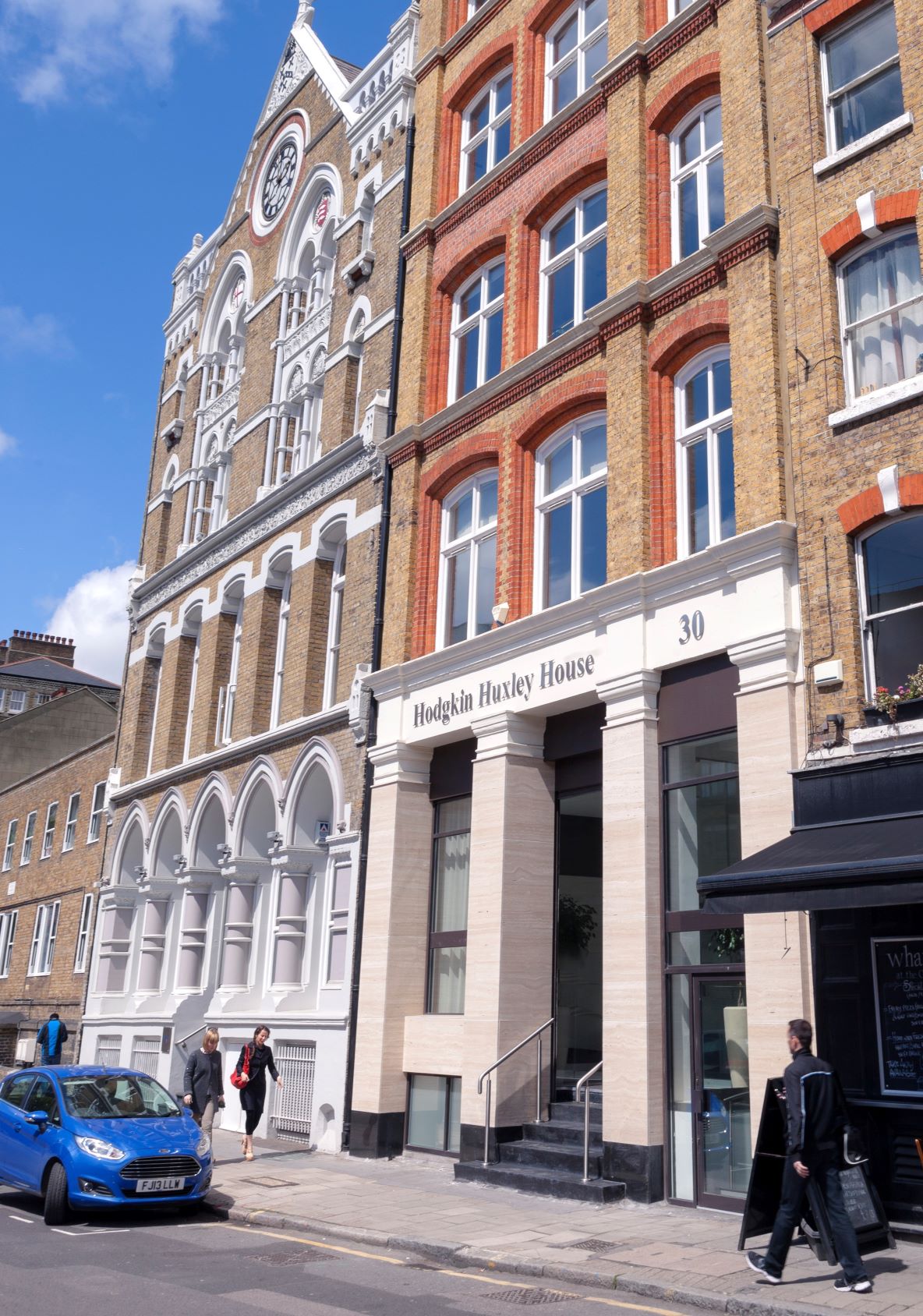
Society moves to Hodgkin Huxley House
Hodgkin Huxley House, the Society’s current headquarters at 30 Farringdon Lane in London, was officially opened on 21 May 2013 by David Willetts MP, then Minister for Universities and Science.
EU animal research directive in force
European Directive 2010/63 on the ‘Protection of Animals in Scientific Experimentation’ came into force on 1 Jan 2013 and superseded the Animals (Scientific Procedures) Act (ASPA) (1986). The Society actively engages with the Animals in Science Regulatory Unit of the Home Office on legislation and other areas of relevance to Members, including the form and wording of new guidance notes. The Society has also created many educational resources relating to animal research for the general public.
Society resources: Animal Research
Abstracts ethical requirements
External resource: European Directive 2010/63 on the ‘Protection of Animals in Scientific Experimentation
Society launches first ‘Physiological Reports’ with APS
A unique collaboration between The Physiological Society and the American Physiological Society, Physiological Reports is an online, open-access, monthly journal publishing peer-reviewed research. With laboratory investigations, case reports, author podcasts and video abstracts, it covers all areas of basic and translational physiology and allied disciplines.
Our Journals (The Physiological Society website)
JP elects Kim Barrett as first female EIC
Kim is a Distinguished Professor of Medicine and her research interests include the physiology and pathophysiology of the intestinal epithelium, with a particular focus on host-pathogen interactions and diarrheal diseases.
R Jean Banister Prize lecture established
Physiologist R Jean Banister (1917-2013) was Tutorial Fellow at Somerville College, Oxford, for four decades and a constant advocate for women’s education. The Physiological Society established an annual series of peripatetic lectures in her memory, to be given by an early career scientist on any physiological topic. The inaugural lecture: ‘Getting excited about pacemaking in the athletic heart‘ was given by Alicia d’Souza.
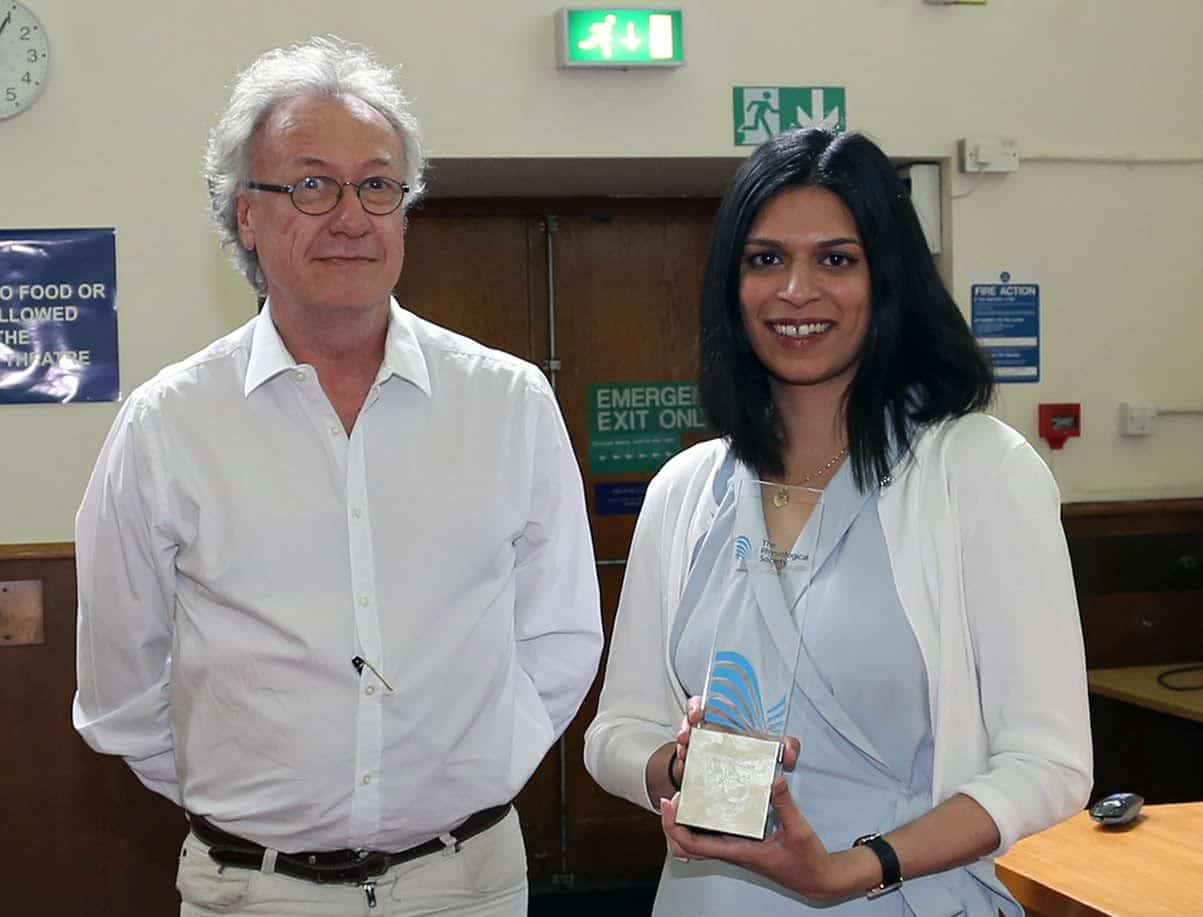
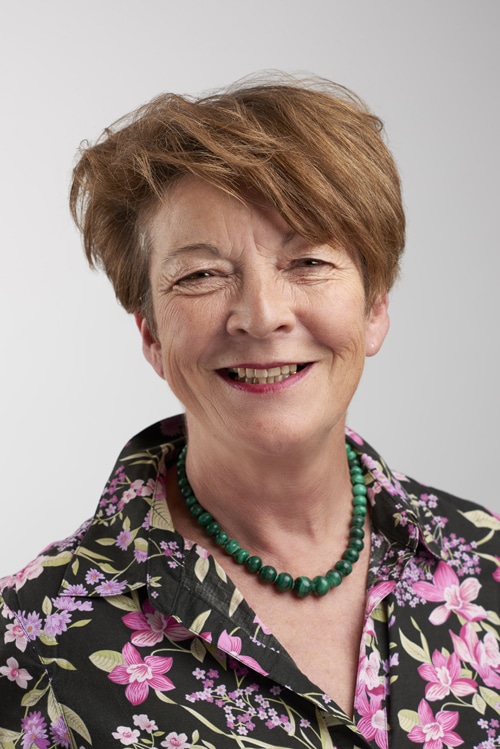
Society elects President Bridget Lumb
Professor Bridget Lumb, a pain physiologist and Society Member since 1990, was the first woman to be elected President. The Society has celebrated the contribution of women to physiology in many ways since the first female Members were elected, marking the centenary of this election in 2015 with a programme of events and activities. Relevant Society publications have included Women Physiologists (1993) — edited by Lynn Bindman, Alison Brading and Tilli Tansey — and the 2013 booklet Women in Physiology.
Women in physiology (The Physiological Society website)
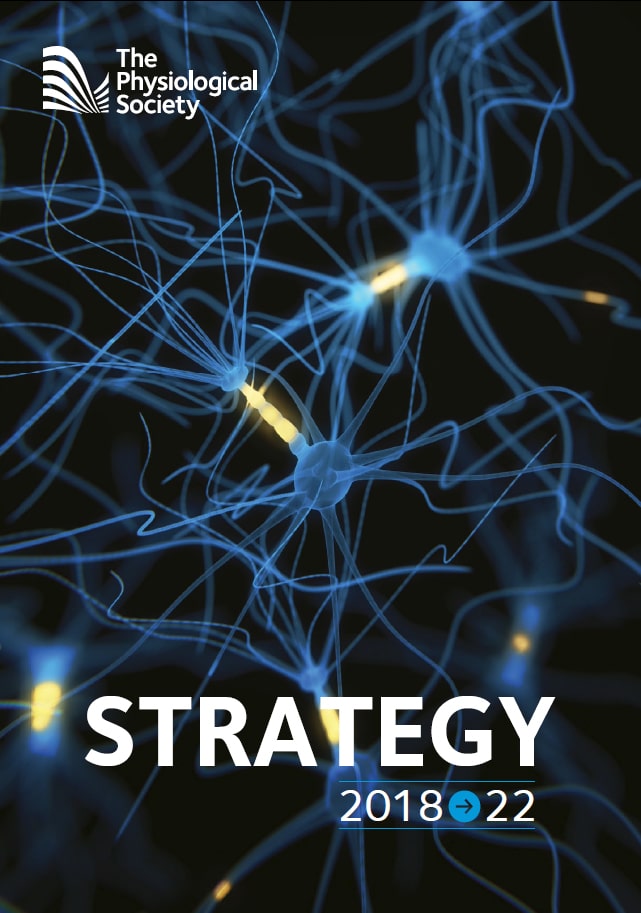
Society launches its new five year strategy
The Society’s 2018-22 strategic plan sets our direction of travel and priorities for the next five years. It is ambitious and forward-thinking, and positions us to continue to be a world-leading society for our discipline. The strategy defines a clear vision: to make physiology flourish.
Inaugural Europhysiology conference
The Physiological Society, the Scandinavian Physiological Society, the Deutsche Physiologische Gesellschaft and the Federation of European Physiological Societies combined their annual meetings to increase networking and collaboration. The first in the series, Europhysiology 2018 kicked off at the QEII Centre in London between 14-16 September 2018 and attracted participants from around the globe.
Europhysiology (The Physiological Society website)
JP starts Editorial Board Fellowship scheme
The Editorial Board Fellowship is an initiative launched at encouraging ‘rising stars’ in the field of physiology to understand more about the way in which The Journal operates and the rigorous peer review that’s offered to submitting authors. It gives early career researchers the opportunity to be directly engaged in the editorial process under the guidance of a Senior Editor.
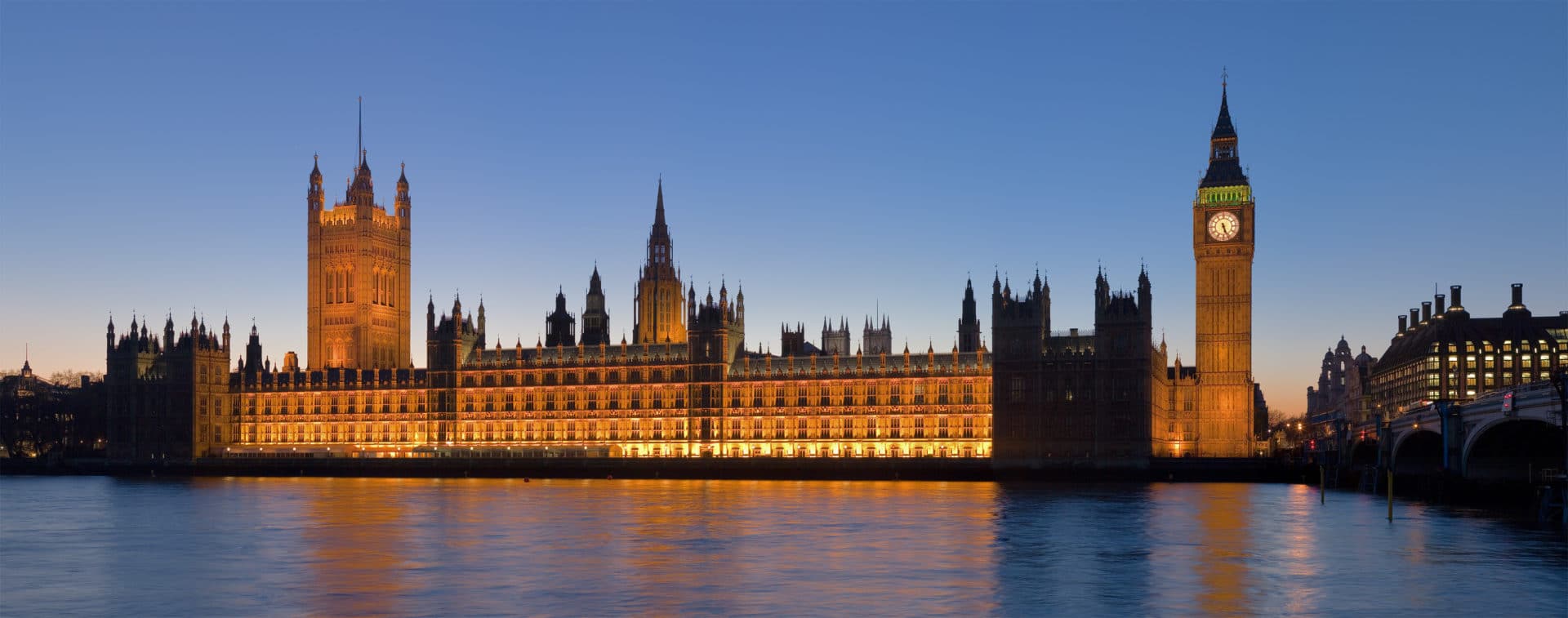
Society holds first parliamentary events
The Society held it’s first ever events in Parliament, bringing together MPs, Lords, policymakers and physiologists. In May we launched our report into Sport & Exercise Science and in October we launched our report into healthy ageing.
Internal resources:
Sport & Exercise Science Education
Lifelong health

Award for COVID-19 response
The Society wins an industry-leading award for the support it offered members during the COVID-19 pandemic.
Society resource: COVID-19 Hub
External resource: Winners of the Association Awards UK 2020

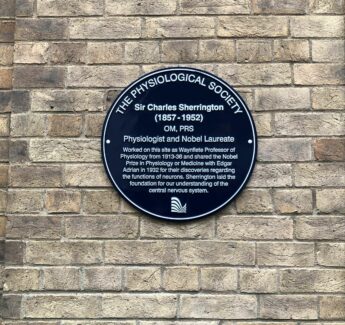
Blue plaque scheme launched
The Society’s blue plaques honour outstanding physiologists who have contributed to the advancement of the discipline through their discoveries while leaving a legacy beyond their lifetime. The first of our blue plaques have been erected across the UK and Ireland, celebrating and recognising institutions where distinguished physiologists such as Nobel laureates who have made significant contributions to the discipline.
EP Flip
From January 2023 Experimental Physiology became fully Open Access. Since it was established in 1908 Experimental Physiology has published research articles that report novel insights into homeostatic and adaptive responses in health, as well as those that further our understanding of pathophysiological mechanisms in disease. The transition to Open Access further illustrates Experimental Physiology’s continued commitment to the principles of the Open Science movement. For more information, please read Professor Bailey’s Editorial, or refer to the frequently asked questions.
The Physiological Society launch new journals to advance nutrition and precision medicine
In 2024, The Physiological Society (TPS), in partnership with Elsevier, launched two new journals focusing on the rapidly developing fields of nutritional physiology and precision medicine. The new journals position the partners at the cutting edge of these dynamic disciplines.
Nutritional physiology explores how nutrients from food interact with the body at the cellular and physiological levels. TPS has long supported the nutrition community through its journals and conferences, and this support is further enhanced with the launch of The Journal of Nutritional Physiology.
Precision medicine, a rapidly evolving field, allows for personalised treatments that improve outcomes and reduce side effects by targeting person-specific genetic, environmental, and lifestyle factors. The Journal of Precision Medicine: Health and Disease covers a wide range of topics at the intersection of physiology and personalised healthcare.
Global Climate and Health Summit
The Global Climate and Health Summit brought together world-leading experts to tackle the biggest health threat of our time: climate change. It connected science, policy, and lived experience to drive action on heat, air pollution, and nutrition. The Summit marked a turning point in turning evidence into solutions that protect both people and planet.
Explore the recorded content
Royal Charter awarded
As the Physiological Society, the world’s oldest organisation dedicated to the science of life, enters its 150th year, it is delighted to announce a landmark moment in its history: the award of a Royal Charter.
The Royal Charter formally recognises the Society’s long-standing contribution to science and the public good.
The decision follows a resolution of the Society’s voting membership in May 2025 to approve a formal application to the Privy Council, culminating years of preparatory work. The Privy Council Office has now confirmed that His Majesty The King has approved the grant of a Charter of Incorporation to the Society